
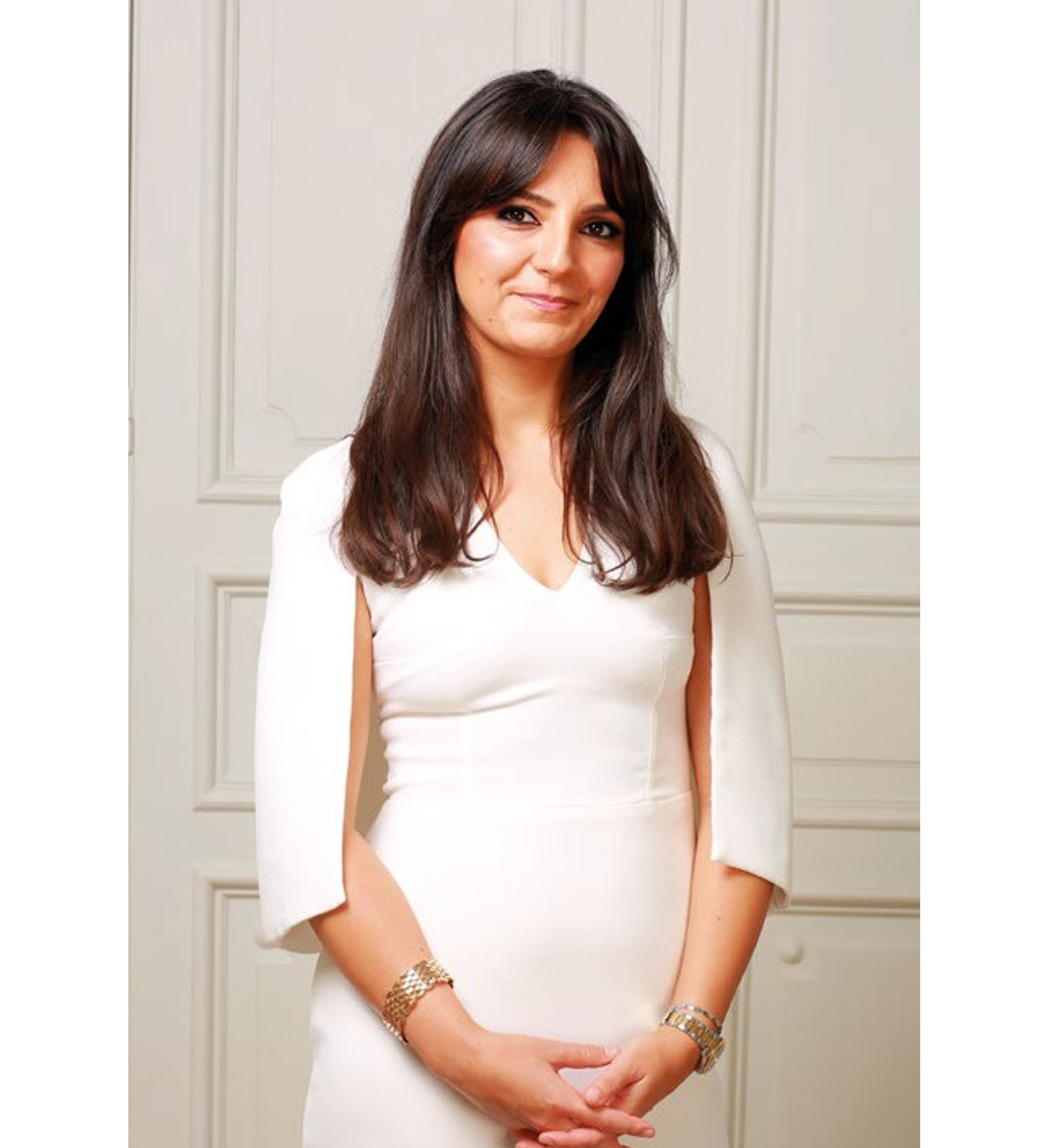
Sandra Gătejeanu Gheorghe,
Consul General of Romania in Barcelona
During my years in diplomatic and especially in consular service, I have often been asked a simple question: “What does a consulate actually do?” For many, the answer is naturally associated with passports, civil status documents or assistance in moments of emergency. These responsibilities remain at the very heart of our mission. They are often the moments when the state becomes most tangible in the life of a citizen abroad. Yet every day at the General Consulate of Romania in Barcelona reminds me that our role extends much further. A consulate is not only a place where problems are solved, it is a place where relationships are created. It is where a Romanian entrepreneur meets a potential partner, where a child born abroad discovers the language and culture of their parents, where an artist presents a part of Romania to a new audience, and where institutions from two societies find common ground for cooperation.
Barcelona, a city defined by openness, innovation and cultural diversity, offers a particularly meaningful example of this modern consular mission. In a region with a vibrant Romanian community and a dynamic economic and academic environment, diplomacy is exercised not only through official meetings, but through countless human connections that strengthen the ties between Romania, Catalonia and Spain.
The large Romanian community in Catalonia and the Balearic Islands is not only a community with needs, it is also a reservoir of expertise. Many Romanians that live here are doctors, engineers, academics, researchers, artists, IT specialists, entrepreneurs and students. A modern consulate can identify this human capital and transform it into a network that benefits both Romania and the host country.
It is also essential to tackle the fact that nowadays diplomacy is no longer conducted only in capitals. Cities and regions increasingly have their own international agendas in areas such as innovation, climate, education, urban development and culture.
The success of a modern consular service will not be measured only by how quickly it issues a passport, but by how effectively it protects dignity, provides reassurance and maintains the bond between citizens and their country. I will not focus in this article on the consular protection during emergencies and conflicts although we have many recent examples or the digital transformation and the e-consular services, but on what happens beyond assistance – the modern consulate as a hub of connection, influence and opportunity.
For many citizens, the consulate is associated with passports, civil status documents, or emergency assistance. These functions remain fundamental, especially in an era marked by increased mobility, geopolitical crises, and global uncertainty.
However, a contemporary consulate is much more than an administrative office abroad. It is a living extension of the state, a place where diplomacy becomes tangible through human interaction, cultural exchange, economic cooperation, and the promotion of national identity.
The consulate as an economic diplomacy hub Consular missions are often the closest diplomatic representatives to local communities, companies, and regional authorities. Our role increasingly includes connecting Romanian entrepreneurs with foreign partners, supporting trade and investment opportunities, facilitating business missions and economic forums or promoting Romania as a destination for investment, innovation, and tourism.
In a globalized economy, economic diplomacy no longer belongs exclusively to embassies. Consulates, particularly in regions with strong economic potential or large Romanian communities, can act as gateways for bilateral prosperity.

Barcelona, one of the most dynamic economic and cultural centers of the Mediterranean, is home to a significant Romanian community and a vibrant network of institutions, businesses, universities and cultural actors. In this context, the General Consulate acts as a facilitator of dialogue between Romanian and Catalan economic actors. Through contacts with chambers of commerce, business associations, local authorities and entrepreneurs, the consular mission helps create opportunities for investment, trade and professional networking.
The Romanian community itself represents an important economic resource: entrepreneurs, specialists, researchers and professionals who can contribute to building bridges between the two economies. The consulate’s role is increasingly to identify these networks, connect people and encourage partnerships.
I see the diaspora in Catalonia no longer only through the lens of migration, but also as a community of ambassadors of Romanian talent, innovation and entrepreneurship.
The consulate as a cultural and linguistic bridge
Language and culture are among the most enduring instruments of diplomacy. Through cultural events, exhibitions, film festivals, literary encounters, educational partnerships, and the promotion of the Romanian language, consulates contribute to preserving national identity among diaspora communities while introducing Romanian culture to foreign audiences.
A cultural event may seem symbolic, but it often creates connections that later are transposed into educational, economic, or even political partnerships.
Through collaborations with cultural institutions, local administrations, schools and universities, the General Consulate contributes to the promotion of Romanian language, history and artistic expression.
Cultural diplomacy in Barcelona takes many forms: celebrations of Romanian national holidays, exhibitions, concerts, film screenings, literary events, academic collaborations and initiatives dedicated to preserving the Romanian language among younger generations born or raised abroad.
These activities have a double objective: strengthening the connection of Romanians with their cultural roots while also presenting Romania’s contemporary identity to Catalan and Spanish society.
A particularly relevant topic for Barcelona is the second generation of Romanians born or raised in Spain. Our challenge is not only to maintain legal links with Romania, but also emotional and cultural ones. Through language initiatives, cultural programs, youth events and educational cooperation, the consulate helps younger generations understand that they can have multiple identities: Catalan or Spanish by upbringing, and Romanian through heritage and family history. This is a modern form of diplomacy based on belonging and continuity.
The consulate as a bridge with the diaspora Romania’s global communities are not only recipients of consular services; they are valuable actors in the relationship between Romania and their countries of residence.
The modern consulate engages with Romanian professionals and entrepreneurs abroad, associations, students and researchers and young generations born outside Romania. As I already mentioned, the diaspora is nowadays a source of knowledge, investment, innovation, and international visibility.
The institutional dialogue with Catalan authorities, cooperation with city halls and engagement with local social and educational actors are essential for addressing the needs of Romanian citizens and for strengthening the Romanian presence in the region.
In this sense, the consulate becomes a meeting point between two societies, not merely an office representing one state abroad.
Human-centered protection and crisis response
Of course, the traditional consular mission remains essential – assistance during emergencies, support in cases of accidents, illness, or legal difficulties, evacuations during conflicts or documentation and civil-status services. Yet even these functions are increasingly shaped by a human-centered approach, where empathy, communication, and accessibility are as important as administrative efficiency.
However, the modern approach places the citizen at the center. Digital tools such as eConsulat, mobile consular missions in areas distant from Barcelona, and direct dialogue with community associations demonstrate a transition from a reactive administration to a proactive and accessible diplomatic service.
A passport can be issued in minutes, but trust in the state is built through empathy and presence at the most difficult moments of a person’s life.
Modern diplomacy is also about presenting Romania as a European country with innovation potential, highlighting Romanian contributions to science, technology, arts and sports, correcting outdated perceptions and promoting contemporary Romanian achievements. In a world of competition for attention, a country’s image is a strategic asset.
From my point of view, the General Consulate of Romania in Barcelona illustrates the evolution of the modern consular institution: a place where administrative service meets public diplomacy, where economic interests meet cultural dialogue, and where the relationship between the Romanian state and its citizens abroad is continuously redefined. The consulate of the future is not only a guardian of rights, but also a creator of opportunities, partnerships and human connections.
