
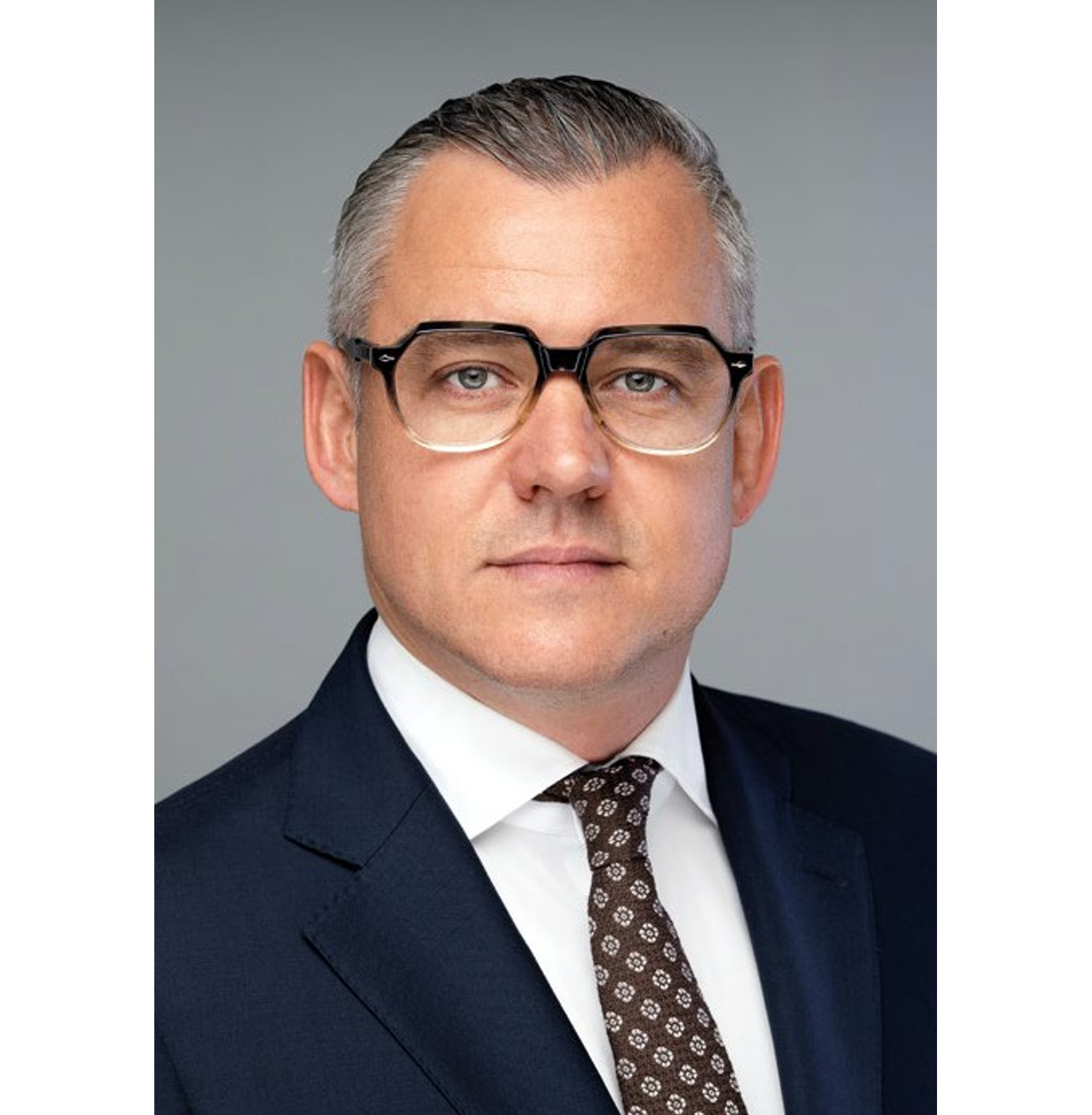
Antal Lóránt,
Senator | Chairman of the Senate Committee for Energy,
Energy Infrastructure and Mineral Resources
Europe is undergoing one of the most profound economic transformations in its modern history. The debate surrounding energy is no longer limited to production or sustainability. In a time when significant European companies have chosen to transfer their production capacities to other continents, citing burdens from high energy costs and bureaucratic overload, energy has become the foundation upon which competitiveness, industrial strength, economic resilience and even national security are built. In this new reality, every serious discussion about economic development must begin with a simple question: can we provide reliable, affordable and secure energy for our citizens and industries? For Romania, the answer to this question will determine whether we become a regional economic leader or remain merely a market for the products developed elsewhere.
One of the most important indicators of a nation’s economic health is its energy consumption. Historically, growing economies consume more energy because factories produce more goods, businesses expand and investments multiply. Unfortunately, Romania has witnessed a significant decline in industrial consumption of electricity and natural gas over recent decades. This trend should concern all of us, because it reflects the erosion of productive industrial capacity.
A country that consumes less energy because it produces less is not becoming more efficient—it is becoming less competitive. This is why energy policy cannot be treated as an isolated sectoral issue. It must be viewed as an economic development policy, an industrial policy and a national security policy at the same time.
The European Green Deal has accelerated the transition toward cleaner energy sources and climate neutrality objectives. The direction is understandable and necessary. However, the speed and manner of implementation must take into account the economic realities of each member state. The transition to a low-carbon economy must remain balanced and pragmatic.
Renewable energy sources are an increasingly important component of the energy mix, and Romania has significant potential in solar, wind and other clean technologies. Yet we must also acknowledge a fundamental reality: industrial production requires continuous, stable energy supply. Manufacturing plants, critical infrastructure and strategic industries cannot depend exclusively on intermittent generation sources which depend on meteorological conditions. This is why natural gas, alongside nuclear energy, remain essential transition fuels. They provide flexibility, security and stability while supporting the gradual expansion of renewable generation capacities. A successful energy transition is not one driven by ideology, but by realism, technological maturity and economic sustainability.
Romania possesses a strategic advantage that many European countries do not: significant domestic energy resources. The natural gas reserves of the Black Sea represent one of the most important economic opportunities of the coming decade. Beginning with the large-scale extraction project from the Neptun Deep perimeter – with extraction on track to start in 2027, Romania will have the possibility not only to strengthen its energy independence, but also to support a new wave of industrial development.
The real challenge, however, is not extracting the gas. It is ensuring that this resource generates value within Romania. Raw materials exported without processing create profits elsewhere. Resources transformed into industrial products, chemical feedstocks, advanced manufacturing inputs and innovative technologies create jobs, investments and prosperity at home. Our objective should therefore be clear: use domestic energy resources to build domestic competitiveness.
At the same time, we must understand that strategic sectors require predictability and long-term confidence. Investors planning production facilities or industrial parks evaluate far more than labor costs and transportation networks. They evaluate energy availability, energy prices and the resilience of energy infrastructure. No serious investor will commit substantial capital to a region where access to electricity or natural gas remains uncertain. This is why the expansion and modernization of energy distribution networks must become a national priority. Economic development without proper energy infrastructure is nothing else but utopia. Roads, railways and logistics corridors are essential, but without robust electricity and gas networks, sustainable economic growth remains an illusion.
The same principle applies to the digital era. As energy systems become increasingly interconnected and intelligent, cybersecurity becomes inseparable from energy security. Critical infrastructure is no longer protected solely through physical assets. It must also be protected against cyber threats capable of disrupting essential services, industrial operations and national stability. The development of energy infrastructure and cyber resilience must therefore advance together.
Looking ahead, Romania has every opportunity to become a major regional energy hub. Few countries in Europe benefit from such a combination of natural resources, geographic position, energy expertise and development potential. But potential alone does not create leadership. Leadership requires strategic vision, coherent investments in energy infrastructure and governmental support mechanisms for strategic industries. It requires a regulatory framework that encourages innovation while protecting competitiveness. And it requires the confidence to defend national economic interests within broader European debates.
Romania must not choose between economic growth and sustainability. We must achieve both. We must not choose between conventional and renewable resources. We must integrate them intelligently. We must not choose between national interests and European objectives. We must align them through pragmatic solutions that serve citizens, businesses and future generations alike. The countries that will lead Europe in the coming decades will not necessarily be those with the most ambitious declarations, but those capable of transforming resources into value, infrastructure into opportunity and energy into economic strength.
