
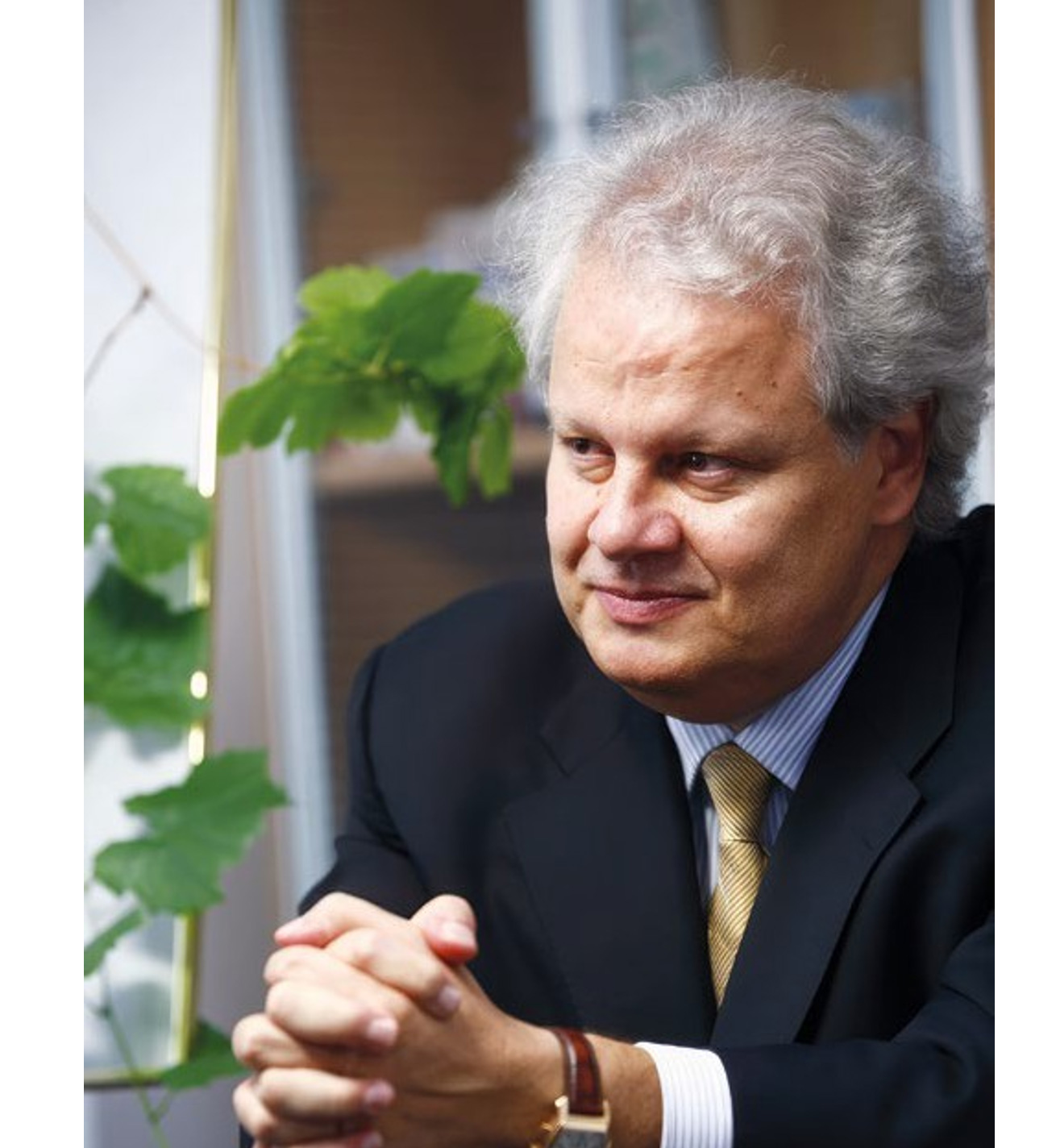
“It is not enough to have a good product. You must transform it into a story that people believe in.” This is the message that Jean Valvis, founder of Valvis Holding, has consistently shared when asked how he managed to build one of the most successful branding stories developed in Romania.
In Romania’s post-1990 economy, few entrepreneurs have succeeded in creating brands that transcend the status of mere products and become genuine benchmarks for consumers. Jean Valvis’s name is intrinsically linked to some of Romania’s most recognizable brands, including Dorna, LaDorna, AQUA Carpatica and Domeniile Samburesti.
The founder of Valvis Holding rarely speaks about business in terms of figures or market share alone. Instead, his philosophy centers on understanding consumers and on the ability to transform a natural resource or a product into a symbol with both economic and emotional value.
For Valvis, success always begins with identifying an opportunity that the market has not yet discovered.
“When launching a brand, your objective should be to captivate the consumer. You must find a differentiator—an element that positions you distinctly from everyone else. At the same time, any entrepreneur seeking success must be proactive, anticipate market trends, and move toward areas that are not yet saturated,” he often says.
This vision guided him from the very beginning of his entrepreneurial journey in Romania.
In the early 1990s, the still water market was virtually non-existent. Romanian consumers were accustomed to sparkling mineral water, and the idea of bottled still water seemed like a niche proposition. Jean Valvis, however, recognized the opportunity before anyone else.
He developed the Dorna brand, which became one of the first major success stories in Romania’s food and beverage industry. In 2002, the company was acquired by Coca-Cola in one of the most significant transactions of the period. Valvis was also the creator of LaDorna, a brand that, once it reached maturity, was successfully sold to the French dairy group Lactalis.
For many entrepreneurs, such exits would have represented the culmination of a career. For Jean Valvis, they were simply confirmation that he had developed a model capable of generating sustainable success.
Only a few years after the sale of Dorna, he returned to the mineral water industry with a new venture: AQUA Carpatica. Built through a greenfield investment near Vatra Dornei, the brand was conceived from the outset for both the Romanian and international markets.
In doing so, Valvis became a competitor in a market where his first creation, Dorna, still held a significant position. Behind this decision lies a simple conviction: products can be copied, but authentic brands are far more difficult to replicate.
For Valvis, brand-building resembles a creative process more than a marketing exercise. The difference between success and failure lies in the ability to identify a unique attribute capable of generating long-term value.
In the case of AQUA Carpatica, that attribute was the purity of the Carpathian springs and the exceptional natural characteristics of the water itself.

The development model of Valvis Holding has been built around the concept of eco-business—an approach that combines economic performance with the sustainable use of natural resources.
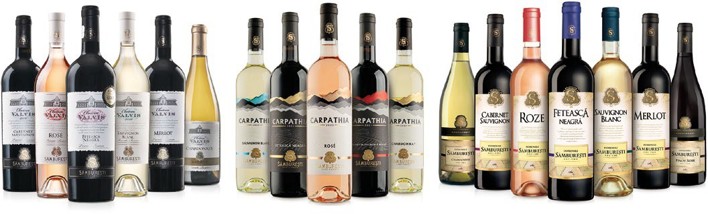
Today, the name Valvis Holding is associated with mineral water, organic agriculture, viticulture, and renewable energy. All these activities share a common denominator: the creation of premium products with high added value.
The group currently includes AQUA Carpatica, Domeniile Sâmburești, and agricultural operations managing approximately 8,000 hectares of land in the Călărași region. With more than 600 employees and an international presence, the holding represents one of the most substantial entrepreneurial success stories developed in Romania after 1990.
Success stems from creating and effectively communicating the story behind each product. Marketing and communication are essential because beyond the product itself lies the narrative that attracts consumers—a story rooted in authenticity and supported by a clear and compelling identity.
At its core, the story of Valvis Holding is the story of a simple belief: lasting success does not come from exploiting a short-term opportunity, but from creating value around an idea and building trust over time.

In an economy that continues to seek its own international champions, Jean Valvis’s experience offers valuable lessons for the next generation of entrepreneurs. In his view, ambition is important, but what truly makes the difference is perseverance, patience, and the ability to communicate what is relevant, distinctive, and valuable about one’s business.
Beyond his entrepreneurial achievements and the development of landmark brands, Jean Valvis has distinguished himself through his sustained commitment to supporting the business environment and promoting Romania’s long-term economic development. His career reflects a deep conviction that the success of a company acquires real meaning when it contributes to the progress of society as a whole.
Over the years, he has held leadership positions within some of Romania’s most influential business organizations, promoting dialogue between the private sector and public authorities while advocating for initiatives designed to stimulate investment, competitiveness, and the growth of local entrepreneurship. Through his involvement in employers’ associations, the Foreign Investors Council, and various business organizations, Jean Valvis has consistently championed economic modernization and a climate conducive to sustainable growth.
This forward-looking vision is equally evident in the social and environmental projects supported through the Valvis Foundation. Convinced that responsibility toward the community is an essential component of long-term success, Jean Valvis has supported initiatives dedicated to education, healthcare, and environmental protection. From programs that create opportunities for children from vulnerable backgrounds to equipping medical institutions with modern technology and supporting environmental projects, these efforts reflect a philosophy based on engagement, solidarity, and care for future generations.
As a result, his impact extends far beyond the boundaries of business, contributing to the development of a stronger, more responsible, and better-prepared society—one capable of meeting the challenges of the future with confidence.
