
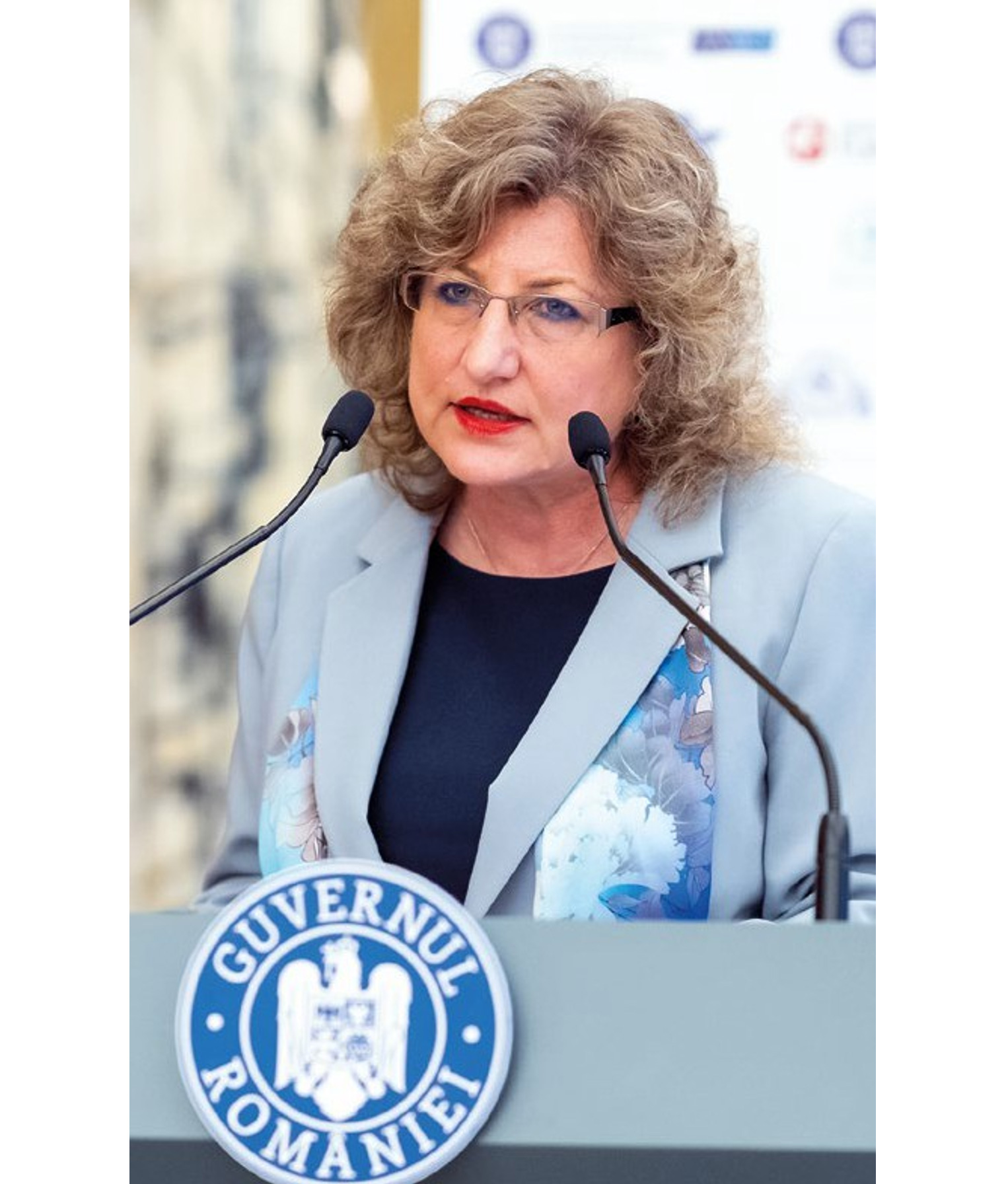
Prof. M.D. Diana-Loreta Păun,
former Presidential Adviser
The subject of medical diplomacy is of particular importance in a world where healthcare transcends geographical borders and where medical progress is built through international collaboration, the exchange of expertise, and professional solidarity.
In recent years, in my capacity as Presidential Adviser, I have had the privilege of participating in a series of initiatives aimed at strengthening the relationship between Romania and the Romanian medical diaspora across Europe and overseas. These initiatives pursued a clear objective: the creation of lasting bridges of medical, scientific, and educational cooperation, founded on the conviction that Romanian healthcare professionals working abroad represent an extraordinary resource for the development of Romania’s healthcare system.
The Romanian medical diaspora comprises physicians, nurses, researchers, and academics who work within some of the most advanced healthcare systems in the world. The experience they have accumulated in prestigious university clinics and hospitals can serve as a catalyst for the modernization of Romanian medicine.
From this perspective, medical diplomacy is not limited to institutional relations or official meetings. It is about bringing professionals closer together, facilitating the exchange of best practices, transferring knowledge, and creating a shared space for professional development.
With the support of Romania’s embassies in various countries, I organized and participated in meetings with representatives of the Romanian medical diaspora in the United Kingdom, Ireland, Belgium, Greece, and the United States of America.
In the United Kingdom, where I had the opportunity to meet Romanian physicians and specialists, I encountered professionals who are exceptionally well integrated into the British healthcare system and actively engaged in clinical practice, academia, and research. Our discussions highlighted not only the challenges of the medical profession but also the sincere desire of colleagues abroad to contribute to the advancement of healthcare in Romania.
In Belgium, where three meetings dedicated to the Romanian medical diaspora were organized by the Embassy of Romania, discussions focused on academic and scientific cooperation, as well as on the development of joint research projects and professional exchange programmes. I met Romanian physicians working in hospitals and centres of excellence who continue to maintain strong ties with Romania.
The meetings held in Ireland, Greece, and the United States likewise provided valuable perspectives on healthcare system organization, hospital management, medical research, and the integration of emerging technologies into clinical practice.
These experiences confirmed that the Romanian medical diaspora has not lost its connection with the home country. On the contrary, there is a genuine interest in collaboration, mentorship, and supporting the new generations of healthcare professionals in Romania.
An important component of medical diplomacy is learning from successful models and best practices implemented in other countries. In this regard, through missions organized by Media Uno, I had the opportunity to visit medical institutions and research centres in Japan and South Korea, two countries internationally recognized for the performance of their healthcare systems and their high level of technological innovation.
In Japan, I was particularly impressed by organizational discipline, the profound respect shown to patients, and the seamless integration of technology into everyday medical practice. The Japanese healthcare system stands out for its efficiency, rigor, and strong emphasis on prevention and health education.
In South Korea, the experience highlighted the importance of digitalization, research, and artificial intelligence in shaping modern medicine. Korean hospitals and medical centres employ advanced technologies for diagnosis, patient monitoring, and healthcare management, demonstrating that the future of medicine is closely linked to innovation and continuous adaptation.
These visits were not merely protocol engagements; they represented genuine opportunities for observation and learning from functional models capable of inspiring the development of Romania’s healthcare system.
I firmly believe that Romania needs a coherent medical diplomacy strategy based on international cooperation, support for research, and the strengthening of ties with the medical diaspora.
In a globalized world, progress can no longer be built in isolation. Cooperation among countries, universities, hospitals, and professional communities has become essential for improving the quality of healthcare services.
At the same time, we must understand that the medical diaspora should not be viewed solely through the lens of migration. It should also be regarded as a valuable network of expertise, competence, and international professional representation.
Romanian physicians and specialists working abroad are true ambassadors of the Romanian medical school. Through their professional achievements, they contribute significantly to strengthening Romania’s reputation within the international medical community.
Last but not least, medical diplomacy also fosters the development of human and professional relationships among individuals who share the same values: respect for life, dedication to patient care, and the pursuit of progress.
The experiences I have gained through dialogue with the medical diaspora and through international visits have confirmed one essential truth: Romania has highly valuable professionals who are respected and appreciated throughout the world.
We have a duty to maintain strong connections with these individuals, to develop joint projects, and to transform their experience into a resource for the future of Romanian medicine.
Medical diplomacy means far more than external relations. It is a tool for strategic development, for strengthening international cooperation, and for promoting professional excellence.
Through dialogue, collaboration, and openness to international experience, we can build a more effective healthcare system that is better prepared to meet the challenges of the future.
I believe that the future of Romanian medicine depends not only on investments and technology, but also on our ability to build bridges between people, institutions, and generations of professionals.
In closing, I would like to express my appreciation to all Romanian physicians, nurses, researchers, and professors who, regardless of where they practice their profession, contribute through their work to the prestige of Romanian medicine.
Every shared experience, every collaboration, and every joint project represents a step forward in the development of our healthcare system and in improving the well-being of patients.
