
Dr. Cristina Berteanu
The steadily increasing incidence of cancer represents one of the most significant challenges facing healthcare systems worldwide. According to estimates from international health organizations, a substantial proportion of cancer cases can be prevented through effective interventions targeting modifiable risk factors, the implementation of screening programs, and public policies focused on health promotion. In this context, cancer prevention must be regarded as a fundamental strategic component of modern healthcare systems, with a direct impact on morbidity, mortality, and the financial sustainability of healthcare services.
The contemporary approach to cancer control extends beyond the traditional paradigm focused exclusively on diagnosis and treatment, integrating measures of primary, secondary, and tertiary prevention. Primary prevention aims to reduce population exposure to known risk factors such as tobacco use, unhealthy diets, obesity, physical inactivity, excessive alcohol consumption, occupational exposure to carcinogens, and radiation. In addition, vaccination against the human papillomavirus (HPV) and hepatitis B virus constitutes a scientifically validated intervention for reducing the incidence of several forms of cancer with a major public health impact.
Secondary prevention is based on the early detection of precancerous lesions or malignancies in their initial stages through population-based screening programs. Scientific evidence demonstrates that the systematic use of mammography, cervical screening, and colorectal cancer screening contributes to reducing disease-specific mortality and increasing survival rates. At the same time, tertiary prevention focuses on optimizing the management of diagnosed patients, limiting complications, reducing the risk of recurrence, and improving long-term quality of life.
The effective implementation of prevention strategies requires a multidisciplinary and multisectoral approach in which public institutions, healthcare providers, academic organizations, non-governmental organizations, and the private sector collaborate to develop integrated and sustainable programs. In this regard, the National Cancer Prevention and Control Plan highlights the need to strengthen preventive measures and improve public access to screening and early diagnostic services.
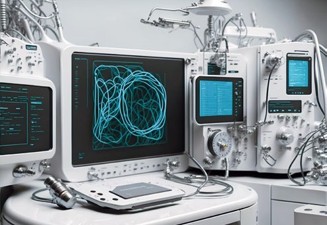
Alongside the development of prevention strategies, technological progress is driving significant transformations in the organization and delivery of healthcare services. Digitalization, artificial intelligence, big data analytics, and telemedicine are contributing to the emergence of a new organizational model known as the “SMART Hospital.” This concept refers to a healthcare infrastructure in which digital technologies are integrated into a functional ecosystem capable of optimizing clinical, administrative, and operational processes.
SMART Hospitals employ interconnected information systems that facilitate secure, real-time access to medical data, thereby improving continuity of care and supporting clinical decision-making. In oncology, artificial intelligence algorithms enable the rapid analysis of data derived from medical imaging, pathology, genomics, and electronic health records, supporting the early identification of pathological changes and the personalization of therapeutic interventions.
At the same time, the integration of telemedicine solutions and remote monitoring technologies improves patient access to specialized medical services, reduces geographical barriers, and optimizes the management of complex cases. From the patient’s perspective, digitalization contributes to shorter waiting times, greater accessibility to healthcare services, and improved communication between patients and healthcare teams.
The benefits of implementing the SMART Hospital model extend beyond the individual patient and generate positive effects across the entire healthcare system. Scientific literature highlights the potential of these technologies to reduce medical errors, optimize resource utilization, increase the efficiency of clinical and administrative processes, and support the development of management models based on performance indicators and real-time data analysis.
In the current context, the convergence of prevention strategies and technological innovation represents one of the most promising pathways for cancer control. The development of intelligent healthcare infrastructures, together with the strengthening of prevention and screening programs, can significantly reduce the burden of cancer on populations while enhancing the efficiency of healthcare systems.
As a result, the medicine of the future will not be defined solely by its ability to treat disease, but also by its capacity to prevent it, detect it at an early stage, and provide personalized care supported by digital technologies and advanced data analytics.
How Genomics Is Changing the Way We Fight Cancer
Modern oncology is undergoing a profound transformation, moving from an approach based strictly on the anatomical location of a tumor to one centered on its genetic characteristics. This shift is driven by cancer genomics, the discipline that analyzes the full spectrum of genetic alterations within malignant cells and provides a far more detailed understanding of the mechanisms underlying the disease.
In the past, cancer classification was relatively straightforward: breast cancer, lung cancer, colon cancer. Today, however, we know that two seemingly identical tumors arising in the same organ can be entirely different at the molecular level. Each tumor possesses its own “genetic profile,” a unique signature that helps explain how it developed and how it is likely to evolve. Thanks to modern sequencing technologies, this profile can now be analyzed rapidly, providing essential information for clinical decision-making.
This perspective brings tangible benefits across multiple stages of cancer care. One of the most important applications is the identification of hereditary predisposition. Certain genetic mutations, such as those affecting the BRCA1 and BRCA2 genes, can significantly increase the risk of developing specific types of cancer. Their detection enables not only earlier diagnosis but also the implementation of personalized prevention and surveillance strategies, including for family members who may also be at risk.
Genomics also plays a crucial role in assessing the risk of recurrence. Tests that analyze the expression of multiple genes can estimate the likelihood that a disease will return after treatment. This allows physicians to determine more accurately which patients require additional therapies and which may safely avoid aggressive treatments such as chemotherapy, thereby reducing unnecessary adverse effects.
One of the most significant advances enabled by genomics is the development of precision medicine. Unlike conventional treatments, which affect all rapidly dividing cells, targeted therapies are designed to block the specific molecular mechanisms that drive tumor growth. As a result, treatment becomes more precise, more effective, and, in many cases, better tolerated.
Furthermore, genomics allows for much more refined disease monitoring. Through liquid biopsy, circulating tumor DNA can be detected in the bloodstream without the need for invasive procedures. This approach makes it possible to monitor treatment response in real time, identify recurrence at an early stage, and detect the emergence of treatment resistance. In practical terms, physicians can “observe” how a tumor evolves throughout the course of therapy and adjust treatment strategies accordingly.
Another area in which genomics has a major impact is immunotherapy. Analysis of a tumor’s genetic profile can help predict whether it will respond to treatments that stimulate the immune system. Tumors with a high mutational burden are generally more easily recognized by immune cells, making them more likely to respond to these innovative therapies.
Nevertheless, it is important to recognize that the application of genomics in oncology is not without challenges. Tumors are often heterogeneous, meaning they may contain multiple populations of cells with distinct genetic profiles. In addition, not all identified genetic alterations can currently be targeted therapeutically, and access to genomic testing and innovative treatments remains limited in certain healthcare systems. The interpretation of genetic data also requires specialized expertise and close multidisciplinary collaboration.
In essence, genomics has transformed the way we define cancer. It is no longer viewed simply as a disease of a particular organ, but as a disease of the genome. This shift in perspective forms the foundation of precision medicine, where each patient is treated according to the unique characteristics of their individual tumor.
 For the general public, the central message can be expressed simply: today, we no longer treat cancer alone—we treat the patient and the specific biology of their disease. For the academic and medical community, genomics represents one of the fundamental pillars of modern oncology, paving the way for increasingly personalized, effective, and safer therapeutic approaches.
Cervical Cancer: More Than a Diagnosis
There are moments in medicine when science and emotion can no longer be separated. When we speak about breast cancer and cervical cancer, we are not merely talking about abnormal cells or therapeutic protocols; we are talking about a woman’s destiny, about her inherent vulnerability set against the implacability of a diagnosis that disrupts lives and redefines identities.
As a physician, but also as a human being, I have shared with patients moments that no statistic can ever fully capture. I have seen eyes that, though frightened, carried an unexpected strength. I have seen women support one another not only through words, but through silences filled with understanding. This form of quiet solidarity, this profound intimacy that develops among oncology patients, is almost a language of its own: an exchange of emotion and courage beyond explanations, beyond what medicine itself can describe.
Within these communities of suffering and hope, I have learned that beyond treatments, beyond targeted therapies and genetic testing, there is always the human being—the person who hopes, who fears, who fights. The person who deserves not only survival, but also dignity throughout the journey, quality of life, and recognition of the immense inner effort required to overcome such an obstacle.
Although Romania has made progress in recent years in prevention, screening and early diagnosis, the reality remains complex. National programs have increased awareness, but we cannot say that enough has been done. In public health, there is no such thing as “enough”; there is only the need to continue.
Today, Romania remains a country where many women— far too many—still lose their lives to a diagnosis of breast cancer or cervical cancer. Despite medical advances, a significant number of patients continue to seek medical care only in advanced stages of the disease, when therapeutic options become limited and the prognosis more challenging.
Access to modern treatments, personalized therapies and genetic testing is expanding, but it remains uneven. The disparities between urban and rural areas, between university medical centers and peripheral regions, continue to be a reality that must be addressed through an integrated approach.
To respond effectively to the challenges posed by breast cancer and cervical cancer, a coherent strategy built around several essential priorities is required.
- Strengthening prevention and screening must remain the
- Expanding mammography and HPV/Pap smear screening programs, while facilitating access in vulnerable communities and intensifying public health education, are indispensable conditions for early detection.
- Promoting HPV vaccination must also remain a key priority. As a primary prevention measure, it should be firmly integrated into public health
At the same time, the diagnostic process must be accelerated through infrastructure modernization, reduced waiting times and equitable access to diagnostic investigations regardless of region. The speed of diagnosis is not merely an indicator of efficiency; it is a direct determinant of a patient’s therapeutic prospects.
Likewise, the integration of personalized medicine has become imperative for a healthcare system that aspires to European standards. Genetic testing, targeted therapies and immunotherapies must become part of the standard therapeutic arsenal, supported by continuous professional development and by the use of advanced technologies, including artificial intelligence, to enable more precise medical decision-making.
Last but not least, psychosocial support must be recognized as an integral component of the oncological care pathway. Psychological counseling, support groups and post-treatment reintegration programs contribute to the patient’s holistic recovery and help preserve quality of life beyond strictly medical outcomes.
Applied consistently and coherently, these priorities can transform medical progress into genuine human progress— reflected in the lives of the patients we care for and proving that:
Together, We Make A Difference!
