
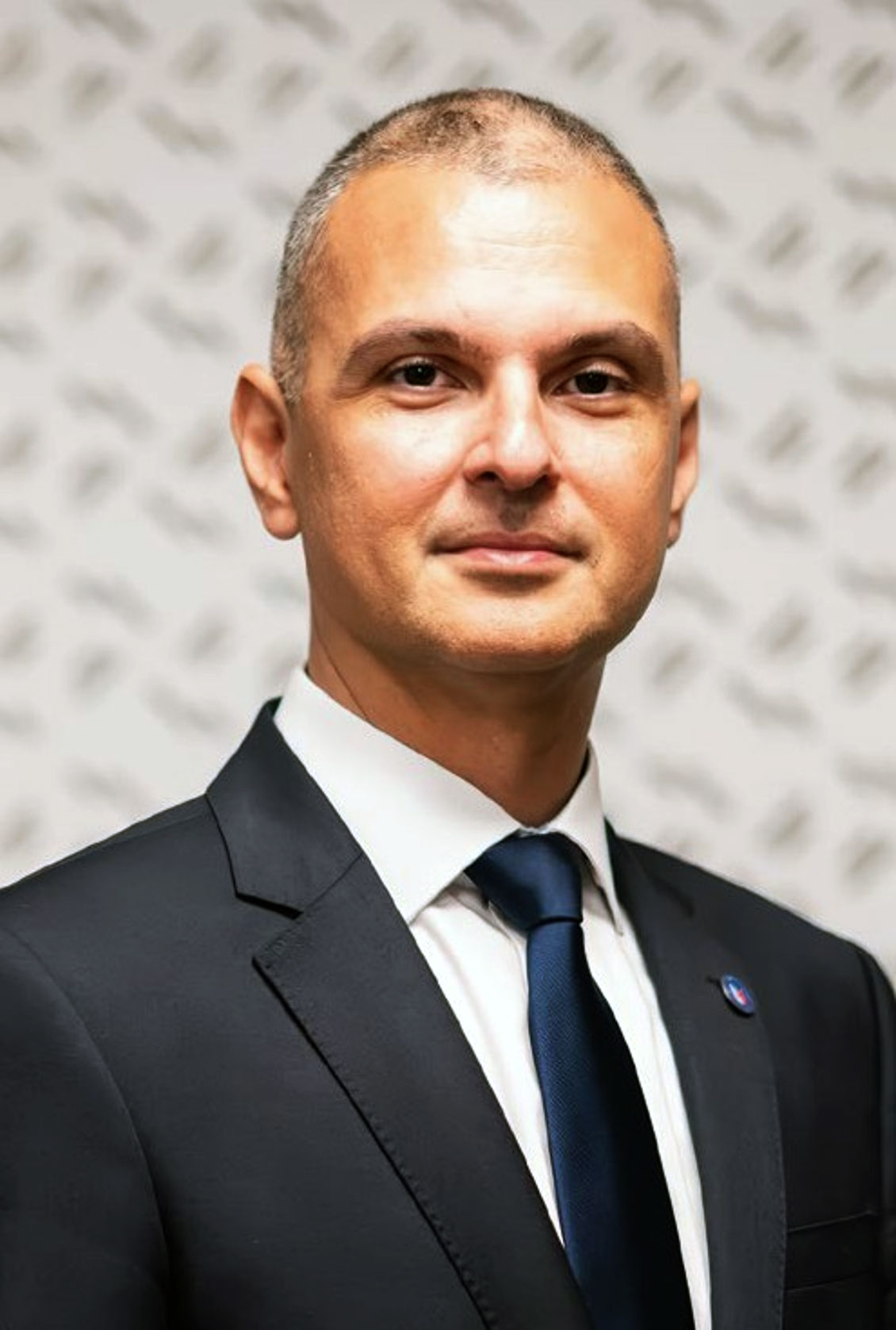
Prof. Dan Gheonea MD PhD,
Rector, University of Medicine and
Pharmacy of Craiova
A modern medical university cannot be defined solely by its academic achievements or research performance. Its fundamental mission is to serve as an active partner of the community, contributing to the improvement of public health and transforming knowledge into tangible benefits for society.
Since 2020, the University of Medicine and Pharmacy of Craiova has embraced the mission of developing projects with a real impact on the community, based on an integrated model that combines education, research, and social responsibility. These initiatives have pursued several objectives: the creation of multidisciplinary teams, the stimulation of research activity, the promotion of health education, the development of students’ communication skills, and the establishment of functional pathways for the early detection, diagnosis, and management of diseases across the Oltenia region.
These projects have brought together teams of specialist physicians, nurses, pharmacists, medical residents, and volunteer students. Community-based activities have demonstrated that the reality faced by many patients is often complex and challenging, and that the success of medical interventions depends not only on professional expertise but also on empathy, communication, and a genuine understanding of people’s needs. Field experience has also highlighted significant gaps in prevention and health literacy within the population.
Cervical Cancer Prevention – From Awareness to Action
One area where the need for intervention became particularly evident is cervical cancer prevention. In Romania, more than 1,800 women lose their lives each year to this disease, despite the fact that cervical cancer is among the few malignancies that can be effectively prevented through both HPV vaccination and screening methods such as cervical cytology, colposcopy, and testing for high-risk HPV strains.
Nevertheless, cervical cancer remains one of the most common cancers affecting women, raising important questions regarding the effectiveness of awareness and prevention strategies in a society with unprecedented access to information.
In response to this reality, in 2022 the University launched and implemented a large-scale information and awareness program on Human Papillomavirus (HPV) infection, conducted in schools, high schools, and universities. The campaign focused on promoting primary prevention through vaccination and presenting the benefits of national vaccination programs, which at that time offered free HPV vaccination to girls aged 11–19 through family physicians.
These initiatives were grounded in solid scientific evidence and included anonymous assessments of participants’ knowledge, interactive educational sessions led by gynecologists, family physicians, oncologists, and pharmacists, as well as the distribution of educational materials developed by specialists. To facilitate access to vaccination, participants also received templates of the documentation required to request HPV vaccination, in accordance with national public health regulations.
The campaigns “Take Care of Your Daughter” and “One Preventive Act – A Lifetime of Protection” extended beyond traditional conference settings and brought prevention messages into shopping centers, schools, high schools, and other public venues. Teams of faculty members, residents, and students engaged directly with thousands of individuals, providing evidence-based information, addressing vaccine-related misconceptions, and answering questions from the community.
Raising Awareness of Meningococcal Disease
The experience gained through these initiatives led to the development of a new intervention program focused on raising awareness of meningococcal disease. The need for such a program was driven by the severity and rapid progression of this condition, which can have devastating consequences if not diagnosed and treated promptly.
The program included educational workshops for family physicians, pediatricians, and infectious disease specialists, providing opportunities to update knowledge on vaccination-based prevention, exchange professional experience, and discuss modern patient management strategies. These activities strengthened interdisciplinary collaboration and improved public information efforts.
The University has consistently adapted its activities to legislative changes and developments in national health programs, facilitating dialogue between public authorities, healthcare professionals, and the beneficiaries of these policies.
In this context, December 2023 marked the launch of the campaign “Let’s Prevent Regrets”, dedicated to newly introduced national vaccination programs and legislative changes that came into effect on December 1, 2023. The event brought together more than 350 healthcare professionals involved in prescribing and dispensing reimbursed medications, as well as representatives of institutions responsible for implementing vaccination policies and experts from the medical specialties directly involved in immunization programs.
Participants had the opportunity to analyze legislative updates, clarify implementation-related issues, and discuss strategies aimed at increasing vaccination coverage and public confidence in prevention programs.
ROCCAS – A New Approach to Cancer Prevention
A particularly relevant example of the University’s commitment is its coordination of the ROCCAS 4 Project, one of the most important national initiatives dedicated to colorectal cancer prevention and early detection.
ROCCAS promotes a modern public health approach that shifts the focus from treating disease to identifying at- risk individuals early and improving access to screening services.
Through this project, educational and awareness programs are being developed, training activities for healthcare professionals are being organized, and mechanisms are being created to facilitate access to preventive investigations and integrated care pathways.
For the University of Medicine and Pharmacy of Craiova, involvement in ROCCAS represents far more than participation in a national project. It reflects a commitment to fostering a culture of prevention and strengthening collaboration among universities, hospitals, family physicians, local authorities, and professional organizations.
Students and faculty members actively participate in educational and awareness activities, becoming ambassadors of prevention within the community and demonstrating that universities can play a direct role in reducing the burden of oncological diseases.
LIVERO – Liver Health as a Public Health Priority
Another strategic project coordinated by UMF Craiova in the Oltenia region is LIVERO 4, dedicated to the prevention, early detection, and management of chronic liver diseases.
Today, liver diseases represent a major challenge for healthcare systems worldwide, both because of their increasing prevalence and their impact on quality of life and mortality. Metabolic dysfunction-associated liver disease, viral hepatitis, cirrhosis, and liver cancer can all be effectively prevented or treated when detected early.
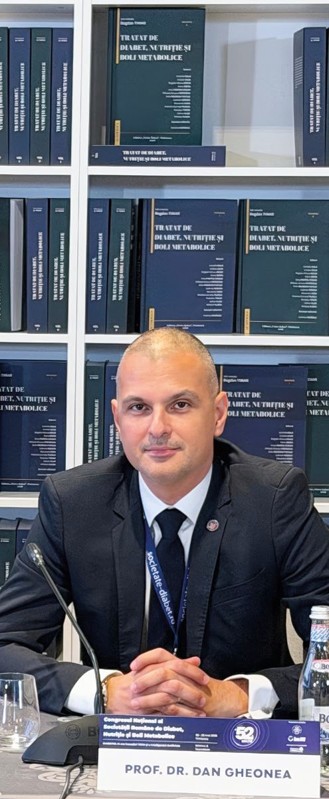
LIVERO aims to develop modern intervention models based on education, risk-factor assessment, access to advanced diagnostic methods, and multidisciplinary collaboration among gastroenterologists, hepatologists, family physicians, and specialists from other medical fields. The University contributes through scientific expertise, research activities, and educational initiatives, involving students and young physicians in awareness campaigns and liver health projects.
Through LIVERO, we deliver a simple yet powerful message: liver health must be protected before symptoms appear, and prevention and early diagnosis remain the most effective tools available to modern medicine.
The University of the Future Is an Engaged University
The experience of recent years has shown us that people need more than high-performing hospitals. They need institutions capable of providing accurate information, health education, and access to prevention.
The University of Medicine and Pharmacy of Craiova embraces this responsibility and seeks to further strengthen it through partnerships with public authorities, professional organizations, civil society, and European institutions.
Our goal is for every educational project, every prevention campaign, and every research initiative to generate tangible benefits for the community and contribute to building a healthier and better-informed society.
At the same time, we want our students to understand that professional excellence is inseparable from social responsibility. The physician of the future must be not only an outstanding clinician but also an educator, communicator, and community leader.
I am convinced that medical universities will play an increasingly important role in shaping public health policies and promoting a culture of prevention. UMF Craiova is ready to embrace this mission by continuing to invest in education, research, innovation, and, above all, people.
Because the true performance of a medical university is measured not only through rankings or bibliometric indicators, but also through the number of lives improved through knowledge, commitment, and responsibility toward the community.
