
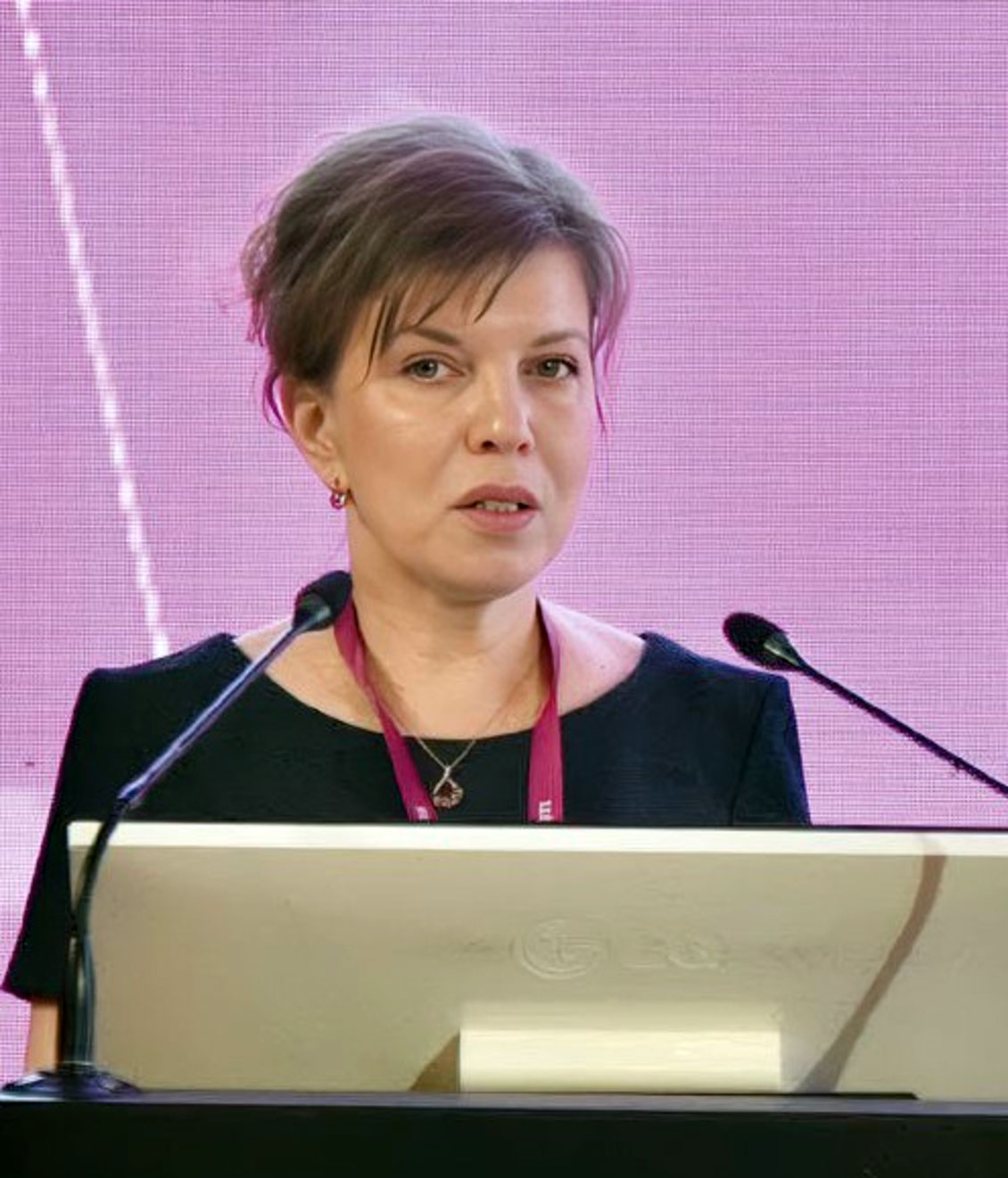
Prof. Cornelia Nițipir, MD, PhD: “We may have cutting-edge technology and innovative therapies, but without well-trained specialists and an equitable distribution of human resources, patient access to treatment will remain a challenge”
Over the past decade, oncology in Romania has undergone one of the most rapid transformations within the healthcare system. Access to innovative therapies has expanded, oncology infrastructure has improved, and personalized medicine is gradually becoming a reality for an increasing number of patients. However, beyond technology, modern equipment, and therapeutic advances, one of the most pressing challenges remains the healthcare workforce.
According to Prof. Cornelia Nițipir, MD, PhD, President of the Oncology Commission of the Romanian College of Physicians, the future of Romanian oncology depends directly on the healthcare system’s ability to train, attract, and retain highly qualified specialists across all regions of the country.
“When we speak about the development of oncology, we often think about new drugs, targeted therapies, or advanced medical technologies. All of these are essential. Yet the most important resource remains people. Without well-trained physicians, multidisciplinary teams, and adequate national coverage, the benefits of medical progress do not always reach the patient,” says Prof. Cornelia Nițipir.
Cancer: A Growing Challenge
Across Europe and worldwide, cancer incidence continues to rise, and Romania is no exception.
The number of oncology patients is steadily increasing, while the complexity of cases requires increasingly sophisticated approaches based on multidisciplinary collaboration and access to high-level medical expertise. “Modern oncology is vastly different from what it was 15 or 20 years ago. Today, we discuss molecular profiling, personalized therapies, immunotherapy, and comprehensive cancer care. All of these require highly trained professionals and continuous updating of medical knowledge,” explains the President of the Oncology Commission of the Romanian College of Physicians.
Regional Disparities Remain a Major Challenge
One of the key challenges facing Romanian oncology is the unequal distribution of specialists.
While major academic centers concentrate a significant share of both human resources and infrastructure, several regions continue to experience shortages of medical oncologists and difficulties in accessing specialized care. For many patients, a cancer diagnosis also means traveling to other cities for consultations, investigations, or treatment.
“We need a balanced development of the oncology workforce across the country. Cancer patients should not be forced to travel tens or even hundreds of kilometers to access the expertise they require. High-quality oncology services must be available in all regions of Romania,” Prof. Nițipir emphasizes.
Training the Next Generation of Oncologists
As the demand for oncology services continues to grow,
educating future specialists has become a strategic priority.
Residency training, continuing medical education programs, international fellowships, and participation in research projects are all essential components in building a strong professional community.
“We must continuously invest in education. Medicine is evolving rapidly, and oncology is among the specialties experiencing the most dynamic scientific progress. Young oncologists must have access to the latest knowledge and educational opportunities that enable them to provide patients with the best therapeutic solutions,” says Prof. Nițipir.
The Bucharest Oncology Summit:
Investing in the Future of the Profession
Recognizing the need to strengthen the oncology workforce and create opportunities for education and collaboration among specialists nationwide, Prof. Cornelia Nițipir initiated the Bucharest Oncology Summit, a project designed from its very first edition to become a platform for dialogue, education, and professional exchange within Romania’s oncology community.
“I believed there was a need for a space where oncology professionals, regardless of the center in which they practice, could meet, learn from one another, and build common projects. The Bucharest Oncology Summit was born from this need to invest in people and in the development of our professional community,” Prof. Nițipir explains.
The Summit annually brings together professionals from all specialties involved in cancer care, strengthening multidisciplinary collaboration and fostering a stronger professional network.
The event is dedicated to supporting medical education and improving access to scientific information for healthcare professionals.
“If we want a high-performing oncology system in Romania, we must continuously invest in education, in the training of future generations, and in creating bridges of collaboration between specialists. The Bucharest Oncology Summit is, fundamentally, a project about people. About physicians learning together, sharing experiences, and contributing to better patient care,” Prof. Nițipir adds.
In her view, human resource development represents the most sustainable long-term investment in Romanian oncology, while initiatives such as the Bucharest Oncology Summit play a crucial role in supporting this strategic direction and helping to build a generation of specialists capable of addressing the increasingly complex challenges of modern cancer medicine.
The Multidisciplinary Team:
The Standard of Modern Oncology
Oncology is no longer a specialty that operates in isolation. Cancer management requires ongoing collaboration among medical oncologists, surgeons, radiation oncologists, pathologists, radiologists, geneticists, psychologists, and many other healthcare professionals. For this reason, workforce development must be viewed more broadly than simply increasing the number of oncologists.
“Successful cancer treatment is the result of teamwork.
Patients need an integrated approach, which requires highly trained professionals across all disciplines involved in cancer care. The future of oncology is multidisciplinary,” explains the President of the Oncology Commission. How Can We Reduce Physician Migration?
Another major concern is retaining specialists within the Romanian healthcare system.
In recent years, Romania has made significant progress in improving working conditions and access to modern technologies. However, competition for healthcare professionals has become global.
To retain physicians, healthcare systems must provide predictability, professional opportunities, and the possibility of building a sustainable career.
“Physicians want to work in a stable professional environment that allows them to grow and practice medicine at the highest standards. Investing in human resources means not only professional training but also creating the conditions that enable specialists to remain and develop their careers in Romania,” says Prof. Nițipir. The Future of Oncology Depends on Investing in People Although technological and therapeutic advances will continue to transform oncology in the coming years, experts emphasize that the true sustainability of the system depends on a strong and well-distributed healthcare workforce.
For Prof. Cornelia Nițipir, the development of Romanian
oncology must begin with people.
“Romania needs well-trained oncologists, strong multidisciplinary teams, and a national strategy that supports workforce development across all regions of the country. We may have the most advanced therapies and the most sophisticated equipment, but without professionals to use them and care for patients, we cannot speak about genuine excellence in oncology.” At a time when the number of cancer patients continues to increase and oncology is becoming increasingly complex, the message from the President of the Oncology Commission of the Romanian College of Physicians is clear:
The most important investment in the future of oncology remains the investment in people.
