
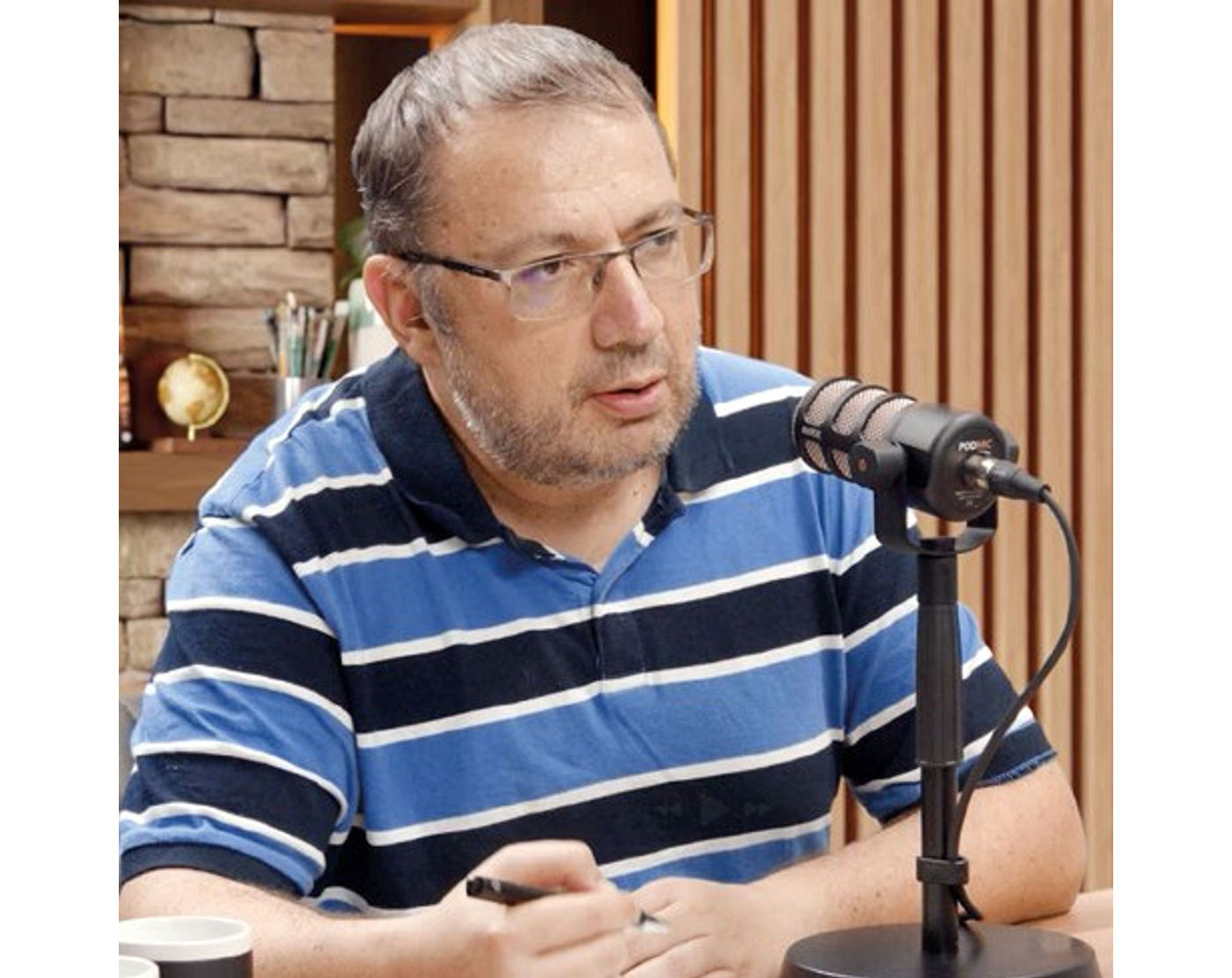
Assoc. Prof. Alexandru Scafa-Udriște
PhD, MD,
Coordinator of the Computational Cardiology Nucleus, Innovation and
e-Health Center of the University of Medicine and Pharmacy Bucharest,
Senior Cardiologist, Bucharest Emergency Clinical Hospital
Involved in 17 national and international research projects in which he coordinated/participated in multidisciplinary initiatives that targeted the areas of interest. The experience gained within these projects allowed the development of an interdisciplinary perspective, essential for a modern vision of cardiology.
The scientific activity in recent years has focused on the extensive application of e-Health in medicine (as Coordinator of the Innovation Center), but especially in the use of artificial intelligence algorithms and telemedicine in cardiology. Advanced interventional cardiology techniques, precision cardiac imaging, computational medicine, as well as molecular biology (genetic and epigenetic markers) have presented a particular interest. Research projects based on the use of artificial intelligence in imaging and clinical prediction represent an important area of personal development. Recently, he has developed/participated in research projects targeting the role of molecular biomarkers (including microRNAs and cytokines) in cardiovascular risk stratification and in predicting the evolution of patients with acute and chronic coronary syndromes.
The vision is to build an integrated computational cardiology platform, connecting fundamental research with clinical applications and e-Health. The main strategic directions include the development of predictive models based on artificial intelligence for cardiovascular risk stratification, the integration of molecular biomarkers (microRNAs, cytokines, inflammation markers) in personalized clinical algorithms, the study of the mechanisms of coronary angiogenesis and collateral circulation development, with therapeutic implications, the use of telemedicine in cardiac rehabilitation and last but not least the use of multimodal data in precision medicine.
A major element may be the encouragement of collaboration between specialist doctors and engineers (in various fields – artificial intelligence, robotics, materials science) – which may be the key to success in the future. Organizing future activity on complementary thematic axes (cardiovascular imaging, data analysis and artificial intelligence, generation and use of mobile applications), supported by interdisciplinary teams. The results of joint work must be capitalized on through technology transfer.
The concept of personalized medicine in patients with ischemic heart disease proposes the generation of targeted therapies, personalized for groups of patients, but it can also lead to an individual therapeutic approach based on the clinical, genetic, genomic uniqueness of each person. The possible applications of artificial intelligence in the invasive assessment of coronary lesions have created the premise for the development of several projects, for example “Functional Assessment of Complex Coronary Artery Lesions Using Optical Coherence Tomography and Routine Angiography (FUNCTIONAL-OCT)” aimed to develop, implement, test and validate a personalized hemodynamic model for calculating fractional flow reserve from medical images taken by optical coherence tomography and classical angiography and from routine measurements.
A step forward was represented by the development of applications based on artificial intelligence in therapeutic decision-making in patients with known coronary anatomy in the study “Artificial intelligence-based evaluation of coronary anatomy and coronary lesion progression using routine angiography (AI-CAD-PREDICT)” which aimed to develop, implement, test and verify a platform based on artificial intelligence and cloud computing that would automatically generate the optimal angioplasty strategy using medical images acquired through coronary angiography.
The study “Cloud-based clinical decision support system for improving the evolution of atherosclerotic lesions in acute coronary syndromes” (ATHEROSCLEROSYS). tried to improve risk and prognosis scores in patients with myocardial ischemia by means of the artificial intelligence. The project was awarded the title of RESEARCH PROJECT OF THE YEAR at the Romanian Healthcare Awards 2022.
A project that uses elements of “big data” as part of personalized medicine is “DataTools4Heart” which aims to facilitate navigation through multi-source cardiology data on a large scale, while respecting European regulations and information processing standards, the implementation of which can bring a paradigm shift in research.
A new idea – a mobile application for blood pressure monitoring was recently developed within the Computational Cardiology Nucleus, within the Center for Innovation and e-Health. Such a project that proposes a simple and useful solution, developed through the collaboration of doctors and engineers, could be the answer to improving the therapeutic management of arterial hypertension in Romania (www.tarec.app).
