
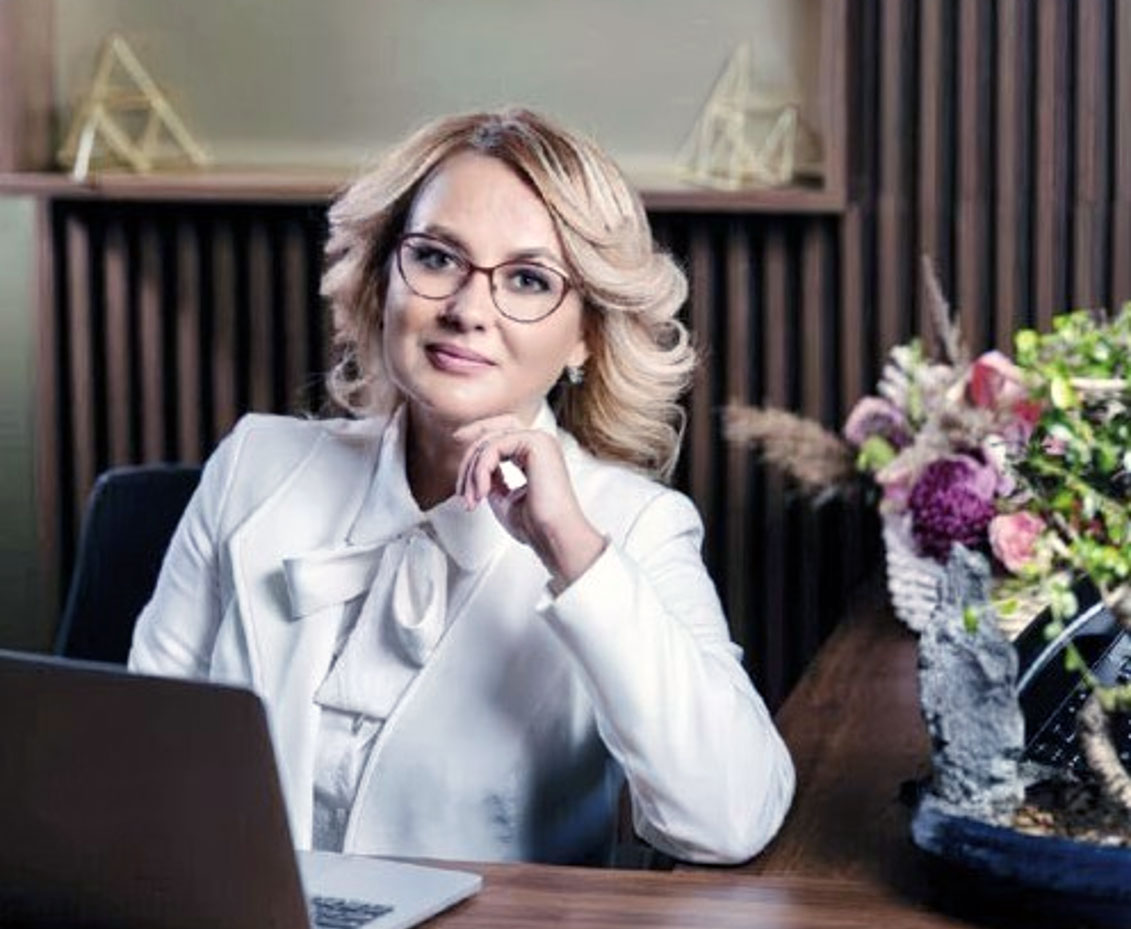
Psychologist Dr. Adriana Cotel,
Managing Partner & Co-Founder,
HPSS – Healthcare Provider Strategies & Solutions
Assistant Professor, “Carol Davila” University
of Medicine and Pharmacy, Bucharest
Healthcare is one of the few fields in which technological progress, organizational performance, and the profoundly human dimension coexist continuously. While discussions increasingly focus on artificialintelligence, innovative therapies, digital transformation, and personalized medicine, I remain convinced that the true value of any healthcare system ultimately lies in its people: those who research, develop, manufacture, regulate, finance, educate, and provide care.
My entire professional journey has been shaped by this belief.
Over the past two decades, I have had the opportunity to understand healthcare from different perspectives within the same ecosystem: the pharmaceutical industry, regulation and access to innovation, health insurance systems, healthcare management, strategic consultancy, research, and academic education. Viewed separately, these may appear to be distinct fields. Viewed together, they tell the same story: one of responsibility in transforming knowledge, resources, and innovation into solutions that create value for individuals and communities.
Today, as Managing Partner and Co-Founder of Healthcare Provider Strategies & Solutions (HPSS), I coordinate projects situated at the intersection of science, regulation, innovation, and access to treatment. The company’s activities encompass areas that are essential to the development of the healthcare ecosystem, including regulatory affairs, health technology assessment (HTA), market access, medical devices, GMP and GDP compliance, certification processes and interactions with notified bodies, as well as auditing and optimizing processes within the pharmaceutical and medical technology industries.
Over the years, I have had the opportunity to contribute to projects that support the entire journey of a healthcare product, from regulatory compliance to ensuring that patients gain effective access to innovative treatments and technologies. This experience has strengthened my conviction that innovation truly fulfills its mission only when it reaches those who need it most, under conditions of safety, quality, and sustainability.
The professional experiences I have accumulated over time have also provided valuable insights into healthcare challenges from the perspective of organizational leadership and decision-making processes. I have learned that the sustainability of any system depends not only on resources, infrastructure, or technology, but also on an organization’s ability to cultivate trust, collaboration, and shared responsibility around common goals.
Perhaps this is precisely why one of the most meaningful directions of my professional activity has become the human factor in healthcare.
My background in psychology and my research activities have enabled me to explore topics such as professional burnout, healthcare professionals’ well-being, organizational culture, the therapeutic relationship, and the development of socio-emotional competencies. At a time when healthcare systems worldwide face unprecedented pressures and rapid transformation, I believe that organizational health and investment in human capital are just as important as investments in infrastructure and technology.
At the “Carol Davila” University of Medicine and Pharmacy in Bucharest, I have the privilege of contributing to the education of future generations of healthcare professionals. I believe that education extends far beyond the transfer of knowledge. Universities have a responsibility to cultivate critical thinking, integrity, sound judgment, and the ability to navigate the complexity of the environments in which healthcare professionals will practice.
Professional competence remains essential. Yet experience has shown me that sustainable performance is built upon a broader foundation that includes ethics, responsibility, emotional balance, and the ability to collaborate. In a world defined by constant change, these qualities become just as important as technical expertise.
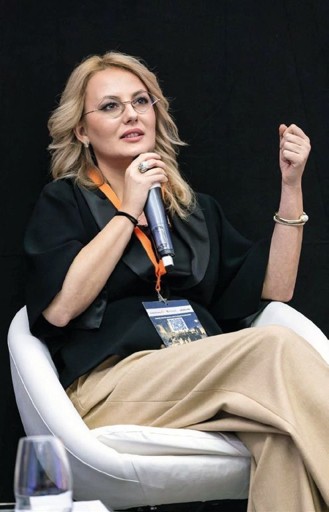
Alongside my professional and academic work, I have always believed that expertise in healthcare should extend beyond the boundaries of organizations and institutions, reaching the places where it can generate the greatest value: within communities.
Many of these initiatives have been developed through the Association for Information, Education and Prevention in Health (AIEPS), an organization that I founded and currently lead. Its mission is to transform the experience gained through public administration, industry, research, and education into projects dedicated to healthcare professionals, patients, and the wider community. I firmly believe that access to reliable information, health education, and interdisciplinary dialogue are essential resources for building healthier and more resilient communities.
Looking back, I have come to understand that no meaningful project is built alone. Each of these initiatives has been made possible through the contribution of colleagues, partners, mentors, collaborators, and teams who shared the same vision and commitment to the common good. I remain deeply grateful to all those who have brought competence, energy, and purpose to every stage of this journey, transforming ideas into mature projects with a genuine impact on people and communities.
The thread connecting all these experiences has been the desire to build bridges: between innovation and access, between expertise and education, between performance and responsibility, and between progress and the profoundly human dimension of healthcare.
In a world where the pace of change constantly urges us to focus solely on what lies ahead, initiatives that encourage us to reflect on the people, ideas, and projects shaping the present and influencing the future become particularly valuable. By bringing together leaders from diverse fields, Movers & Shakers becomes more than an editorial initiative; it becomes a space for dialogue, inspiration, and shared responsibility in building a better society.
Because the future will not be defined solely by what we discover, but also by the choices we make regarding how we use that knowledge to create value, foster trust, and generate meaningful impact in people’s lives.
