

Dr. Morad Iancu
Founder Luxury Aesthetics clinics
Polynucleotide-based aesthetic treatments – commonly derived from purified salmon DNA – are rapidly gaining global recognition as a minimally invasive method for skin regeneration and revitalization. Initiallydeveloped and refined in South Korea under strict manufacturing and certification standards, these products are now increasingly accessible in European clinical practice, including in Romania, at Luxury Aesthetics clinics.
Polynucleotides consist of highly purified DNA fragments, typically extracted from salmon milt, and are characterized by a high degree of biocompatibility with human tissue. This property allows for effective integration at the dermal level while maintaining a low risk of adverse inflammatory reactions. Once administered through intradermal injection, polynucleotides act within the extracellular matrix, where they support the skin’s natural repair processes. Their mechanism of action involves the stimulation of fibroblast activity, leading to increased production of collagen and elastin, acceleration of tissue regeneration, improvement in dermal hydration, and enhancement of overall skin density and elasticity.
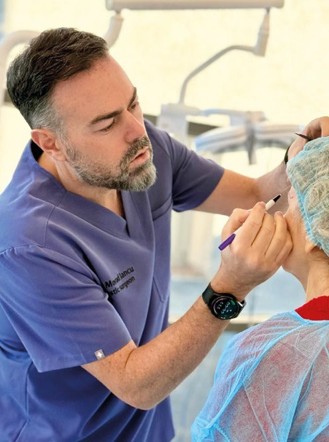
Unlike traditional aesthetic interventions that focus on volumization or muscular modulation, polynucleotide therapy does not alter facial structure or expression. Instead, it promotes intrinsic regeneration, enabling the skin to gradually restore its physiological function and structural integrity. This approach aligns with a broader shift in aesthetic medicine toward regenerative therapies that prioritize subtle, natural outcomes. Increasingly, patients seek treatments that improve skin quality without producing visible signs of intervention or compromising facial expressiveness.
Polynucleotide therapy responds effectively to these expectations. It is associated with minimal post- procedural inflammation and can be safely applied to delicate areas, including the periorbital region, where other treatment options may be limited. The results develop progressively, reflecting the underlying biological regeneration, and can be combined with other aesthetic procedures to enhance overall outcomes. These characteristics position polynucleotides as a premium option within modern anti-aging strategies.
Despite being minimally invasive, the procedure requires a high level of technical expertise and a thorough understanding of skin anatomy. Clinical outcomes depend significantly on the practitioner’s skill, the injection technique, and the appropriateness of the selected treatment protocol.
According to aesthetic surgeon Dr. Morad Iancu (Luxury Aesthetics clinics), who specializes in minimally invasive therapies, ”polynucleotide treatment represents a regenerative approach that reactivates the skin’s intrinsic biological mechanisms. He emphasizes that it stimulates collagen production and restores dermal structure without inducing significant inflammation, making it a safe and highly effective option for patients seeking natural and long-lasting results. He also notes its particular value in treating delicate regions such as the periocular area, where therapeutic options are often limited, and highlights the durability of its effects compared to other minimally invasive procedures”.
Another defining feature of polynucleotide therapy is the absence of a universal treatment protocol.

”Each patient requires an individualized plan based on a detailed clinical assessment of skin condition and therapeutic goals. In most cases, an initial series of sessions is performed over several weeks, followed by maintenance treatments at longer intervals. The therapy can also be combined with other complementary aesthetic modalities when clinically indicated. This flexibility allows for targeted management of various concerns, including dehydration, loss of elasticity, and uneven skin texture. Improvements appear gradually as the regenerative processes take effect, leading to firmer, more radiant, and more uniform skin”, says Dr. Morad Iancu.
The quality of the polynucleotide product itself plays a critical role in both safety and efficacy. Differences in purification methods and manufacturing standards can significantly influence clinical outcomes. Products developed in South Korea, where this technology originated, are generally produced under rigorous quality control conditions, ensuring high molecular purity and optimal biocompatibility. The use of certified, medical- grade polynucleotides contributes to consistent and predictable results, while minimizing potential risks.
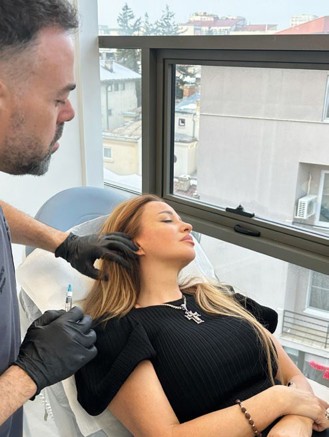
By enhancing the skin’s capacity for self-repair rather than simply correcting visible imperfections, it represents a promising and sophisticated option in both preventive and restorative dermatologic care.
