
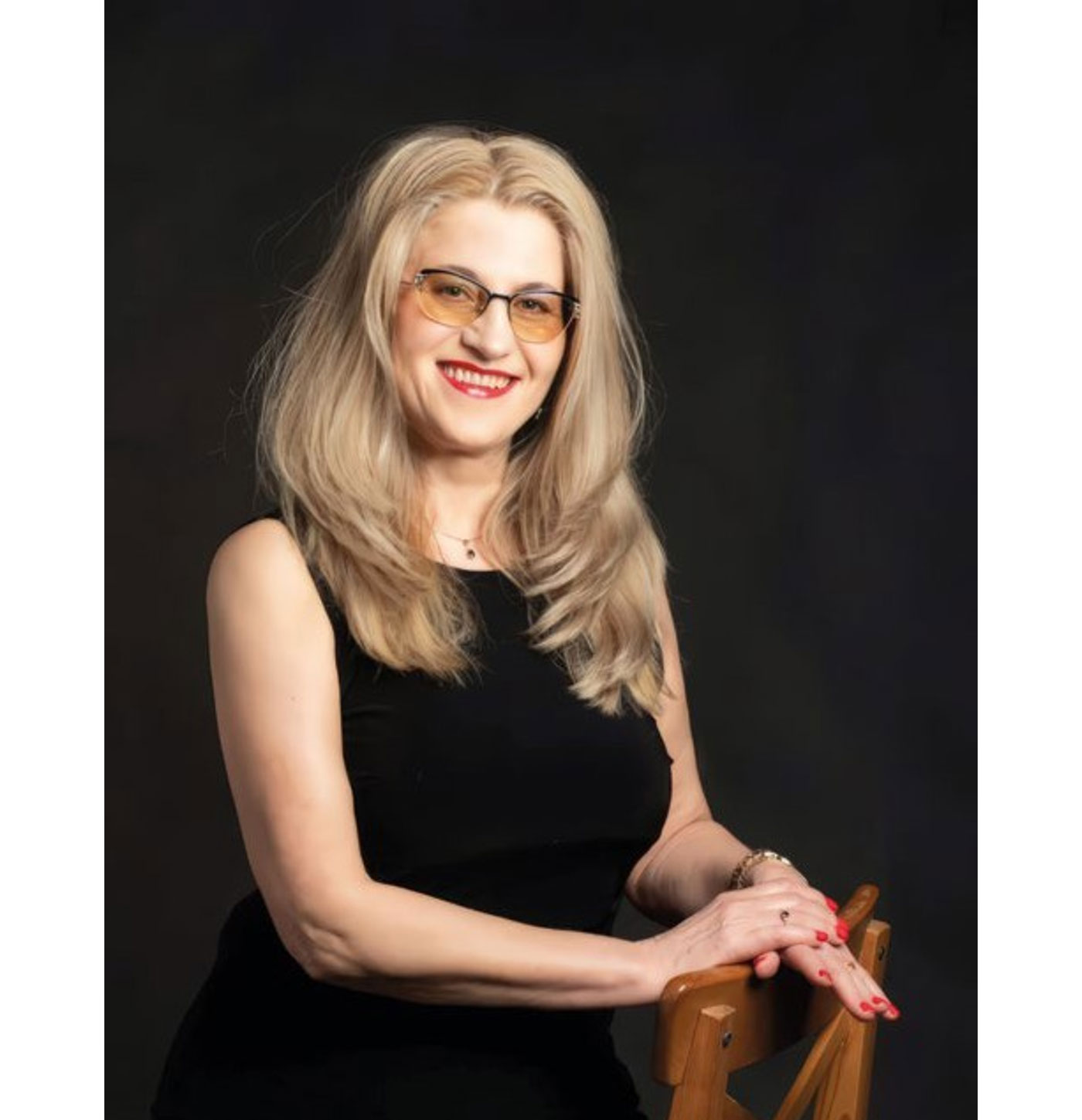
Prof. Habil. Paraschiva Postolache,
Over the past decades, respiratory medicine has undergone one of the most significant transformations in its history, evolving from an approach focused exclusively on disease treatment to a comprehensive vision centered on functional rehabilitation, improvement of patients’ quality of life, and increased survival. In this context, respiratory rehabilitation (RR) has established itself as one of the most effective modern therapeutic interventions and is internationally recognized as a standard of care for numerous chronic pulmonary diseases. Respiratory rehabilitation is a multidisciplinary, individualized, and evidence-based intervention designed for patients with symptomatic pulmonary diseases and functional limitations. It includes comprehensive patient assessment, medical education, tailored physical training involving the entire musculature, including the respiratory muscles, occupational therapy, psychological counseling, smoking cessation counseling, and nutritional counseling. Its objectives are to alleviate symptoms, restore functional independence and autonomy, increase exercise tolerance, facilitate the patient’s early social and professional reintegration, and improve both quality of life and survival. The benefits of respiratory rehabilitation have been demonstrated by numerous international studies and include reduced dyspnea, anxiety, and depression, increased exercise capacity, improved quality of life, reduced frequency of exacerbations and hospitalizations, as well as improved long-term prognosis and survival. While RR programs were initially aimed primarily at patients with chronic obstructive pulmonary disease (COPD), they arenow recommended for bronchial asthma, bronchiectasis, diffuse interstitial lung diseases, pulmonary hypertension, lung cancer, lung transplantation, neuromuscular diseases, and the management of post-COVID sequelae, among others.
In Romania, the development of this field is closely linked to the work carried out in Iași within the Respiratory Medical Rehabilitation Clinic (RMRC), which I have coordinated for the past twenty years at the Rehabilitation Clinical Hospital (RCH). Over the last three decades, Iași has become Romania’s leading reference center for respiratory rehabilitation, and the Respiratory Medical Rehabilitation Clinic has played an essential role in this evolution, demonstrating that RR should occupy a central position in the management of patients with chronic pulmonary diseases. By integrating functional assessment, therapeutic exercise programs, medical education, research, and other complementary activities, we have contributed to the development of a modern model of respiratory rehabilitation that is recognized nationwide.
The history of modern respiratory rehabilitation in Iași and Romania is inseparably linked to my ongoing academic and medical activity, through which I have made a decisive contribution to the development and consolidation of this field in Romania. As a senior consultant in pulmonology, internal medicine, clinical pharmacology, and physical and rehabilitation medicine, a certified smoking cessation counselor, habilitated professor, and doctoral supervisor, I have dedicated more than three decades to clinical practice, teaching, and research in respiratory diseases and the functional rehabilitation of pulmonary patients. Under my coordination, the Respiratory Medical Rehabilitation Clinic in Iași has become one of Romania’s most important centers dedicated to respiratory rehabilitation, contributing to the development of clinical and paraclinical services, educational activities, and scientific research in this field. Through more than one hundred scientific events organized independently or within the framework of prestigious national and international scientific societies, I have disseminated both theoretical and practical knowledge of respiratory rehabilitation to healthcare professionals involved in multidisciplinary rehabilitation teams and to patients, making a major contribution to the establishment of respiratory rehabilitation centers, departments, and units in university centers and county capitals throughout Romania.
A defining moment for Romanian respiratory rehabilitation occurred in 2006, when I founded the Respiratory Rehabilitation Working Group (RRWG) of the Romanian Society of Pneumology (RSP), RRWG has played a major role in promoting the concept of respiratory rehabilitation and harmonizing clinical practice in Romania with European and international recommendations. In addition, in 2004 I founded and have since coordinated the Student Scientific Circle for Respiratory Rehabilitation, contributing to the training of new generations of specialists interested in this field.
Throughout my career, I have carried out extensive scientific activity reflected in dozens of articles published in internationally indexed journals, books and book chapters, national and international research projects, clinical studies, and editorial activities. I am a European Expert in Disability and Rehabilitation for the Romanian Ministry of Health in Romania and GOLD National Leader of the European Respiratory Society, Fellow of the American College of Chest Physicians (FCCP), and one of the recognized voices of respiratory rehabilitation in Central and Eastern Europe, with a significant global contribution as Chair within the CHEST Board of Regents in the United States.
The value of these national and international academic contributions has been recognized through numerous awards and distinctions granted by CHEST/ACCP (USA), the European Respiratory Society, the Romanian Society of Pneumology, the Parliament of Romania, and the Chiril Draganiuc Institute of Phthisiopneumology in Chișinău, Republic of Moldova, among others. A landmark achievement was the coordination of the publication of the treatise Respiratory Rehabilitation – Special Aspects, one of the most comprehensive Romanian works dedicated to this field, alongside the Treatise of Respiratory Rehabilitation and the Handbook of Pulmonary Rehabilitation, reference works at both national and international level, published by prestigious national and international publishing houses. The importance and impact of this work were confirmed by the award of the “Ștefan S. Nicolau” Prize of the Romanian Academy, one of the most prestigious academic distinctions in medicine, as well as the “Ioan Moraru” Prize of the Academy of Romanian Scientists, both granted for contributions to the development of respiratory rehabilitation and the promotion of a modern and integrated approach to pulmonary patient care.
The innovative dimension of my research activity is also reflected in the acquisition of a patent granted by the Romanian State Office for Inventions and Trademarks for the work entitled Sulfurous Mineral Water-Based Composition and Its Use, resulting from a continuous commitment to integrating natural therapeutic resources and applied research into medical practice.
My membership in the Academy of Romanian Scientists reflects the recognition of my contributions to the development of respiratory medicine, medical rehabilitation—particularly respiratory rehabilitation—and interdisciplinary research. Through my entire activity at the “Grigore T. Popa” University of Medicine and Pharmacy and the Rehabilitation Clinical Hospita, both in Iași, I have contributed to the consolidation of a genuine Iași School of Respiratory Rehabilitation, with national and international visibility and recognition.
In recent years, respiratory rehabilitation has entered a new stage of development marked by digitalization and the expansion of remote healthcare services. Telerehabilitation currently represents one of the most promising directions for the evolution of the field, utilizing digital platforms, monitoring devices, and telemedicine systems to supervise and guide patients in their homes. This approach increases access to specialized RR services, particularly for patients living in rural areas or those with limited mobility, while maintaining the effectiveness and safety of therapeutic interventions.
The experience accumulated in Iași, the clinical infrastructure developed, and the academic and research activities carried out at the “Grigore T. Popa” University of Medicine and Pharmacy and the Clinical Rehabilitation Hospital have created the conditions necessary for integrating new technologies into the management of respiratory patients. Consequently, respiratory rehabilitation is no longer merely a therapeutic exercise program, but a modern discipline situated at the intersection of rehabilitation medicine, pulmonology, bioengineering, telemedicine, and artificial intelligence.
Viewed as a whole, the evolution of respiratory rehabilitation in Iași represents one of the most remarkable success stories of contemporary Romanian medicine. The development of this field has been made possible through a coherent academic vision, sustained clinical activity, and the commitment of individuals who understood that the ultimate objective of medical care is not merely the treatment of disease, but the restoration of functionality, autonomy, and hope. Today, Iași continues to represent a center of excellence in respiratory rehabilitation, contributing to specialist training, research development, and the promotion of modern models of care with an impact on respiratory health at both national and international levels.
MD, PhD, FCCP
