
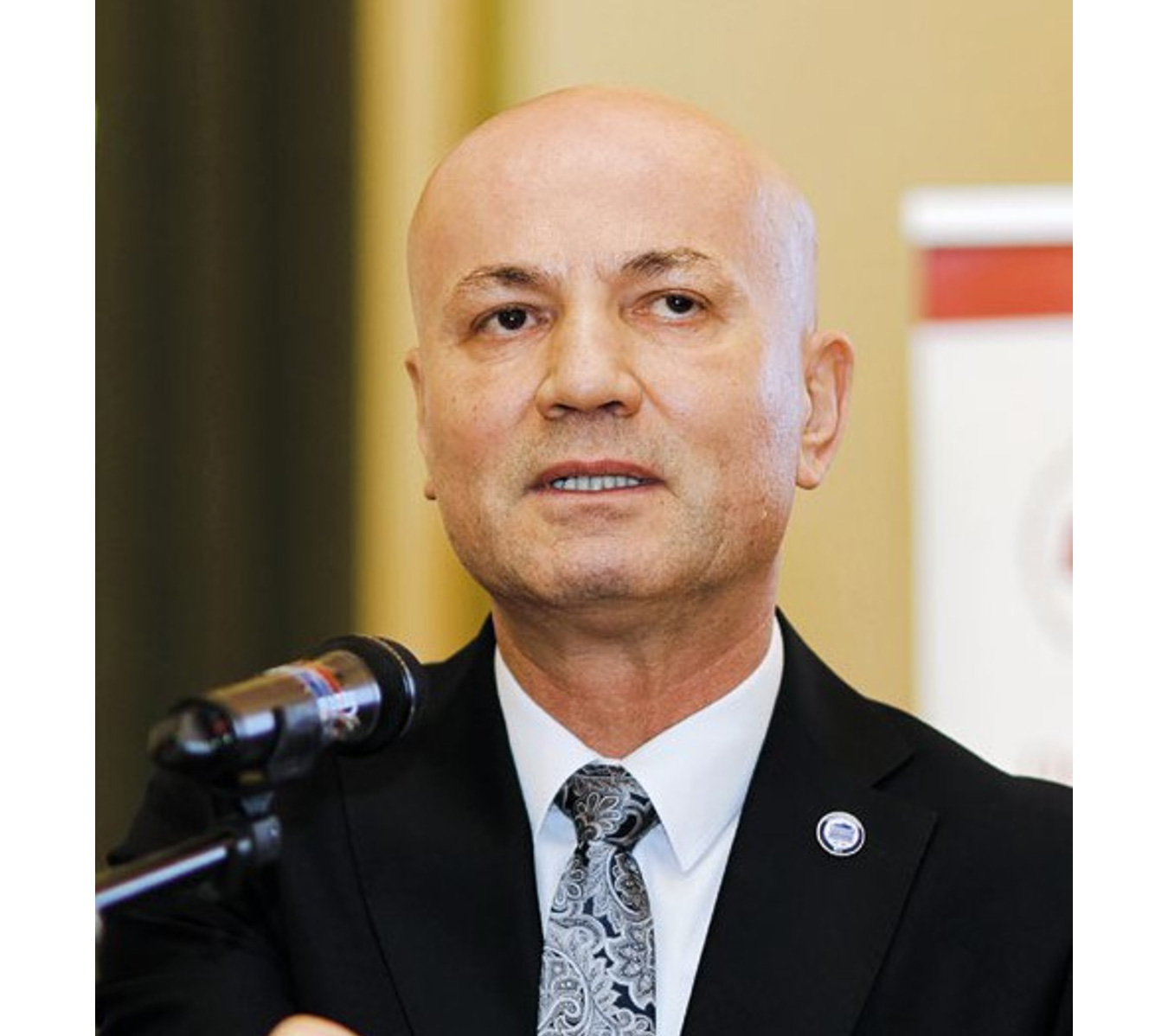
Professor Cristian Doicin,
PhD
Over the past few years, one of the most significant transformations in the world has not taken place in a factory, a technology company, or a research laboratory. It is happening at the intersection of fields that, until recently, seemed entirely separate. Medicine, engineering, robotics, and artificial intelligence are beginning to function as parts of the same ecosystem, resulting in solutions that are fundamentally changing the way diseases are prevented, diagnosed, and treated.
In Romania, one of the most consistent advocates of this approach is Professor Cristian Doicin, academic and researcher at the National University of Science and Technology POLITEHNICA Bucharest. Throughout his career, he has consistently promoted the idea that the great challenges of the twenty-first century can no longer be solved by isolated disciplines and that the future belongs to collaboration among specialists from diverse fields.
For Cristian Doicin, artificial intelligence is far more than just another emerging technology. It represents one of the greatest opportunities to transform modern healthcare systems. In his presentations and projects, he frequently highlights the ability of algorithms to analyze vast volumes of medical data, identify patterns that may be difficult for humans to detect, and support faster and more accurate decision-making.
One of the areas he actively promotes is the use of artificial intelligence in medical diagnostics. At a time when millions of medical images are generated every day, intelligent systems can assist physicians in identifying complex conditions, reducing analysis time while improving diagnostic accuracy. In his view, the future does not belong to a competition between humans and machines, but rather to a partnership in which medical expertise is enhanced by technology’s ability to process information at scale.
He also places particular emphasis on the development of augmented surgery and robotic surgery, fields that are currently at the forefront of the global medical revolution. Robotic systems make it possible to perform procedures with a level of precision that would have been unimaginable only a few decades ago, while the integration of artificial intelligence opens entirely new possibilities for the planning and execution of surgical interventions.
Among the concepts championed by Cristian Doicin is the “Digital Twin,” one of the most promising developments in contemporary medicine. The concept involves creating a digital replica of a patient capable of simulating the progression of diseases or predicting treatment outcomes before therapies are applied in reality. Such technologies have the potential to fundamentally transform personalized medicine and reshape the way clinical decisions are made. His work, however, extends far beyond the promotion of theoretical concepts. A central element of the projects he supports is technology transfer. Throughout his career, he has advocated for stronger connections between universities, hospitals, and the business sector, maintaining that research should generate practical solutions and tangible benefits for society. Within this vision, the university is not merely a place of learning but also an environment where technologies capable of driving real- world change are created.
This perspective also explains his strong interest in innovation, intellectual property, and patent development. In his opinion, the value of research is measured not only by the number of scientific publications it generates but also by its ability to transform ideas into products, services, and technologies that can be applied in practice.
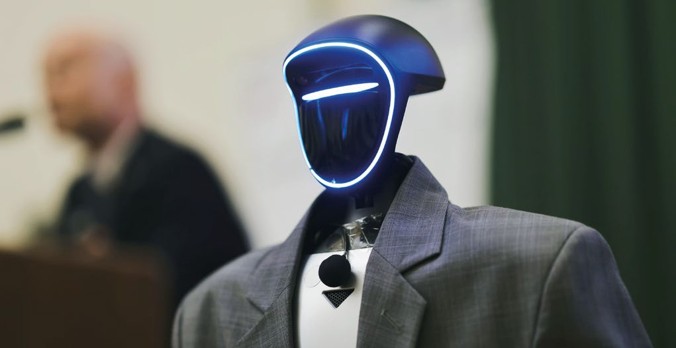
Another recurring theme in his work is education. Cristian Doicin believes that the generations entering universities today will build their careers in a world fundamentally different from the one for which specialists were trained two or three decades ago. For this reason, he advocates the development of skills that transcend traditional disciplinary boundaries and the preparation of professionals capable of working simultaneously with digital technologies, intelligent systems, and complex innovation processes.
Professor Cristian Doicin frequently speaks about the Fourth Industrial Revolution and its impact on society. In his view, artificial intelligence, robotics, and digitalization should not be regarded as threats but as tools capable of improving quality of life and fostering the development of more efficient and higher-performing systems.
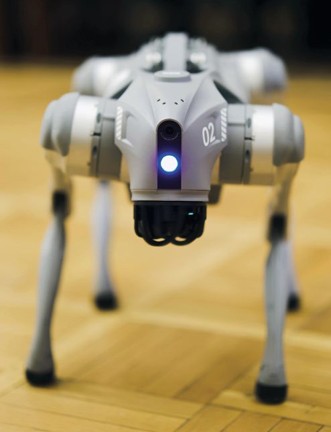
Perhaps his most significant contribution, however, lies in his ability to build bridges between worlds that have long evolved separately: between engineers and physicians; between universities and industry; between research and practical application; between human intelligence and artificial intelligence.
When examining the broader scope of his work, a consistent commitment emerges: connecting disciplines situated at the frontiers of knowledge. In his projects, artificial intelligence, robotics, medicine, and engineering are not isolated fields but interconnected components of the same innovation process. Through research, education, and technology transfer, Cristian Doicin is helping to shape a model in which progress is built through collaboration and where the true value of knowledge is demonstrated by its ability to generate meaningful and measurable benefits for society.
