
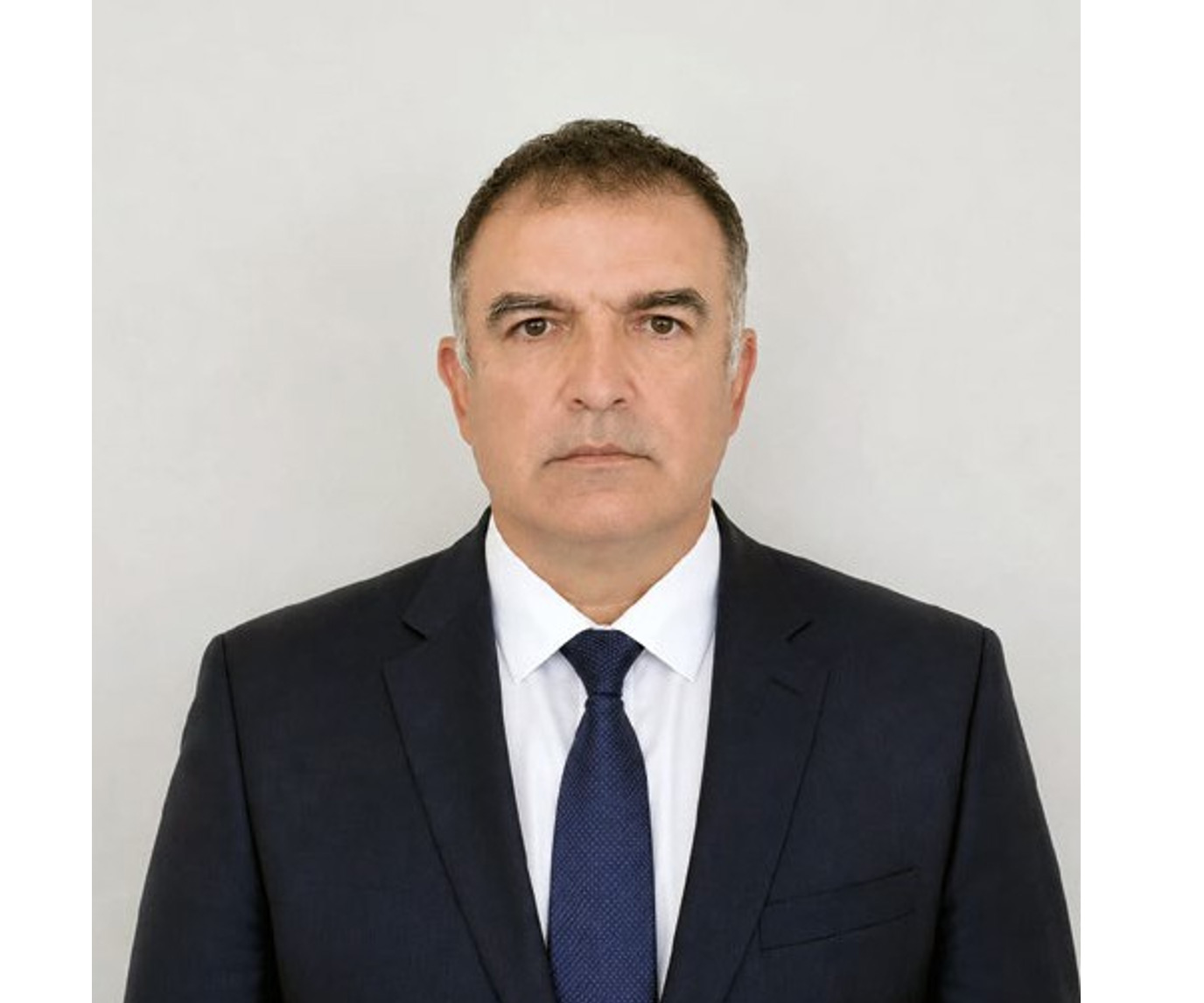
Călin Coșar,
President, Romania–Israel Chamber of Commerce and Industry
We live in an era in which traditional diplomacy sometimes seems to have exhausted its vocabulary. Conflicts persist, distrust deepens, and negotiating tables remain, too often, empty. Yet there is one language that all nations understand, regardless of history, religion, or ideology: the language of trade, investment, innovation, and shared prosperity. This is the language of economic diplomacy, and I firmly believe it is the universal language of peace.
Trade Precedes Treaties
History demonstrates, with remarkable consistency, that commercial relations have often preceded and strengthened political ones. The Silk Road connected civilizations that shared neither a common language nor a common culture. The reconstruction of post-war Europe did not begin with solemn declarations but with the creation of the European Coal and Steel Community—an economic framework that laid the foundation for the longest period of peace in the continent’s modern history.
The lesson is simple: where mutual economic interests exist, there is motivation for dialogue. Where supply chains are shared, investments cross borders, and jobs depend on cooperation, the cost of conflict becomes visible—and ultimately unacceptable.
Romania and Israel: A Partnership Built on Trust
The relationship between Romania and Israel is itself a compelling illustration of this principle. Romania was the only country in the former Eastern Bloc that never severed diplomatic relations with the State of Israel—a rare continuity sustained over decades not only through political engagement but also through thousands of economic, academic, cultural, and human connections linking the two societies.
Today, these ties are more relevant than ever. Israel, globally recognized as the “Start-Up Nation,” excels in areas where Romania has both and opportunities: information technology, cybersecurity, precision agriculture, water management, and medical innovation. Romania, in turn, offers Israel access to the European Single Market, a highly skilled workforce, a strategic position on the Black Sea, and a strong industrial and agricultural tradition.
The Romania–Israel Chamber of Commerce and Industry exists precisely to transform this complementarity into tangible projects and long-term partnerships. Every economic mission, every collaboration between a Romanian and an Israeli company, and every investment made is, in its own way, an act of diplomacy. Business leaders who work together learn to trust one another. And trust, once established at the societal level, becomes the foundation upon which lasting peace between nations can be built.
Economic Diplomacy in Challenging Times Some might ask: what can trade accomplish when weapons are speaking?
The answer is simple: more than it may appear.
Even in the darkest periods, economic channels often remain open when political ones close. They preserve human contact, maintain interdependence, and prepare the groundwork for recovery and reconstruction. The Abraham Accords demonstrated that normalization can begin with direct flights, investment flows, and commercial exchanges, while the political dimension follows, strengthened by benefits that citizens experience directly.
Economic diplomacy is not a naïve alternative to traditional diplomacy; it is its pragmatic complement. It does not require nations to resolve all historical differences before engaging with one another. It simply asks them to recognize a fundamental truth: my neighbor’s prosperity is not my threat—it is my opportunity.
Strategic Directions for the Next Decade Looking ahead, I see at least four areas in which the Romanian–Israeli economic partnership can generate transformative results.
The first is energy. From projects in the Black Sea and the Eastern Mediterranean to renewable energy, energy storage, and technological innovation, the two countries share converging interests in a region undergoing profound transformation.
The second is smart agriculture. Israeli expertise in drip irrigation, water management, and agritech can complement Romania’s extraordinary agricultural potential at a time when food security has once again become a strategic European priority.
The third is the digital economy and cybersecurity. Israeli companies are seeking trusted partners within the European Union, while Romanian specialists have earned a reputation among the most respected technology professionals in the world.
The fourth—and perhaps the most important in the long term—is education and knowledge transfer. Joint university programs, research partnerships, innovation hubs, incubators, and accelerators can connect young entrepreneurs from Bucharest, Timișoara, Cluj-Napoca, and Iași with the dynamic ecosystems of Tel Aviv and Haifa. Investing in people remains the most sustainable investment in peace.
A Shared Responsibility
For the Romanian–Israeli business community, this moment represents a call to action. Every contract signed, every joint venture established, every Romanian entrepreneur who learns from Israel’s innovation ecosystem, and every Israeli investor who discovers Romania’s potential contributes to something greater than a balance sheet: it contributes to an architecture of peace built from the ground up.
Governments negotiate treaties. But lasting peace is built in factories, research laboratories, ports, universities, and digital platforms where people cooperate every day. There, differences of language, culture, or religion gradually give way to a shared objective.
This is the language we speak every day at the Romania– Israel Chamber of Commerce and Industry, alongside our members and partners in both countries. It is a language of numbers, but also of trust; of investment, but also of friendship; of economic growth, but also of mutual understanding.
Ultimately, it is the universal language of peace—and I invite all those who believe in its power to speak it together with us.
