
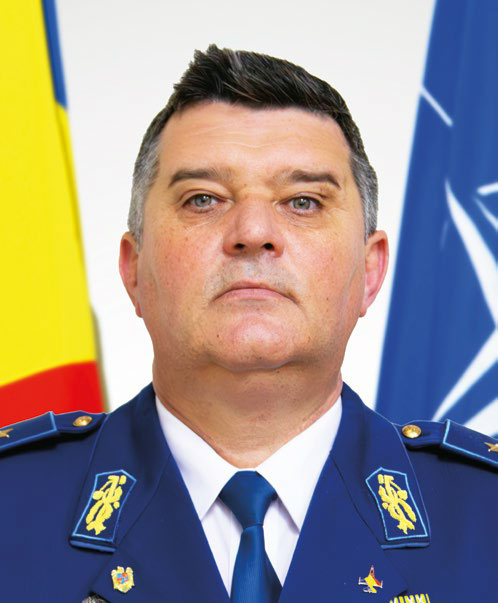
Lieutenant General Leonard-Gabriel Baraboi
Few institutions in Romania have undergone changes as profound as those experienced by the Romanian Air Force in recent years. In an international environment shaped by conflicts, regional tensions, and security challenges unprecedented since the end of the Cold War, modernizing national defense capabilities has become a strategic priority. At the center of this process stands Lieutenant General Leonard-Gabriel Baraboi, one of the military leaders who has dedicated his entire career to military aviation and to strengthening Romania’s air defense capabilities.
Unlike leaders in the business or political spheres, a military commander’s performance is not measured in profits, market share, or financial indicators. It is reflected in the level of preparedness of personnel, the responsiveness of the structures under their command, and their ability to adapt to constantly evolving threats. For Leonard- Gabriel Baraboi, these responsibilities have been the defining milestones of a career built step by step within the Romanian Air Force.
A graduate of prestigious military institutions and shaped by an environment where discipline, professionalism, and responsibility are fundamental values, Leonard-Gabriel Baraboi belongs to the generation of officers who contributed to the transformation of the Romanian Armed Forces following the country’s accession to NATO. Over the years, he has held key command and staff positions, gaining extensive experience in both operational activities and strategic planning.
His colleagues describe him as a balanced leader, attentive to detail and deeply committed to the training and development of those under his command. In a field where technology evolves continuously and decisions often must be made within seconds, this combination of professional rigor and adaptability is essential.
His appointment as Chief of the Romanian Air Force Staff coincided with one of the most significant periods of transformation in the history of Romanian military aviation. Romania accelerated its modernization programs, and the Air Force became one of the primary beneficiaries of the country’s increased defense investments.
A defining milestone of this transformation has been the transition toward a combat aviation force fully compatible with NATO standards. Following the retirement of the MiG-21 LanceR fleet, the Romanian Air Force entered a new era focused on expanding the capabilities provided by the F-16 fighter aircraft and preparing for the future introduction of the F-35, widely regarded as one of the most advanced combat platforms in the world.
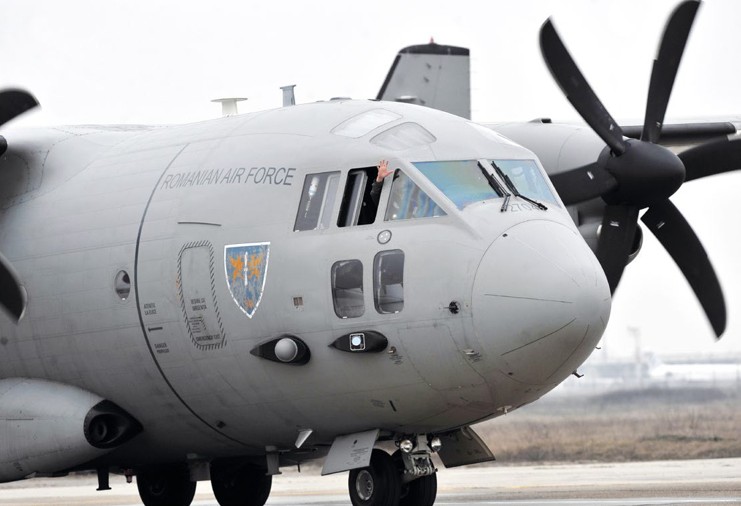
This transformation involves far more than the acquisition of modern aircraft. It requires the training of pilots, the development of infrastructure, the adaptation of operational procedures, and the integration of technologies that fundamentally reshape the concept of air defense.
The importance of this mission has become even more evident in recent years. The war in Ukraine has dramatically altered perceptions of security in the Black Sea region and highlighted the essential role of air forces in protecting both national and allied airspace. As a nation situated on NATO’s eastern flank, Romania carries significant responsibilities within this security architecture.
The modernization process is also supported by opportunities created through new European defense instruments. The Security Action for Europe (SAFE) initiative offers significant prospects for accelerating procurement programs and strengthening the defense capabilities of EU member states. For the Romanian Air Force, access to such mechanisms may facilitate the development of critical projects in military aviation, air defense, and the infrastructure required to operate new generations of military equipment.
Another key component of his mandate involves the development of modern air defense systems. As threats evolve rapidly to include drones, missiles, and increasingly sophisticated attack systems, the protection of national airspace requires an integrated approach. Patriot missile systems, next-generation radar technologies, and the modernization of surveillance infrastructure are all essential elements of this effort.
Beyond technology and equipment, Leonard-Gabriel Baraboi frequently emphasizes the importance of human capital. In his view, the success of any military organization ultimately depends on the people who serve within it.
Preparing new generations of pilots, technical specialists, and commanders remains one of the highest priorities.
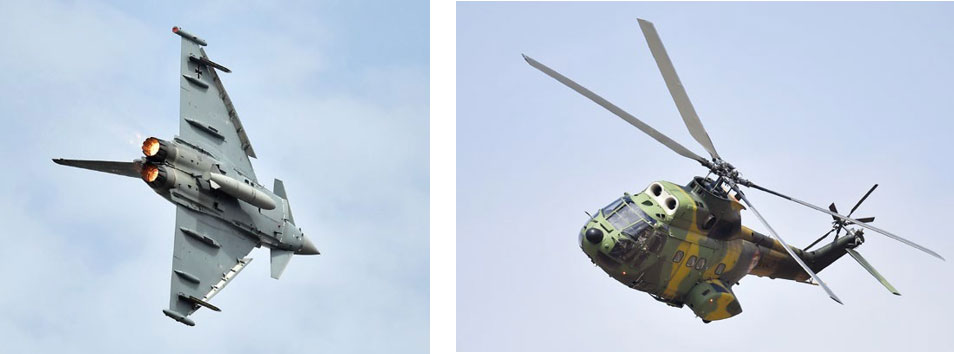 This focus is particularly relevant at a time when military aviation is becoming increasingly complex and technology- driven. Modern combat systems require advanced expertise, and developing personnel capable of operating them has become a strategic challenge for all NATO member states. Today, the Romanian Air Force is undergoing an unprecedented modernization process, and many of the objectives established for the coming years will shape the country’s defense capabilities for decades to come. From the development of advanced combat aviation to the strengthening of integrated air defense systems, all these initiatives share a common goal: building a modern force capable of meeting the challenges of the twenty- first century.
The career of Lieutenant General Leonard-Gabriel Baraboi is closely linked to this period of transformation. At a time when security has once again become one of the foremost concerns of European nations, he belongs to the generation of military leaders helping Romania adapt to a rapidly changing strategic reality. Beyond ranks and responsibilities, this may well be his most significant contribution: helping build a modern air force prepared to safeguard Romanian airspace and fulfill its missions alongside its partners within the North Atlantic Alliance.
